

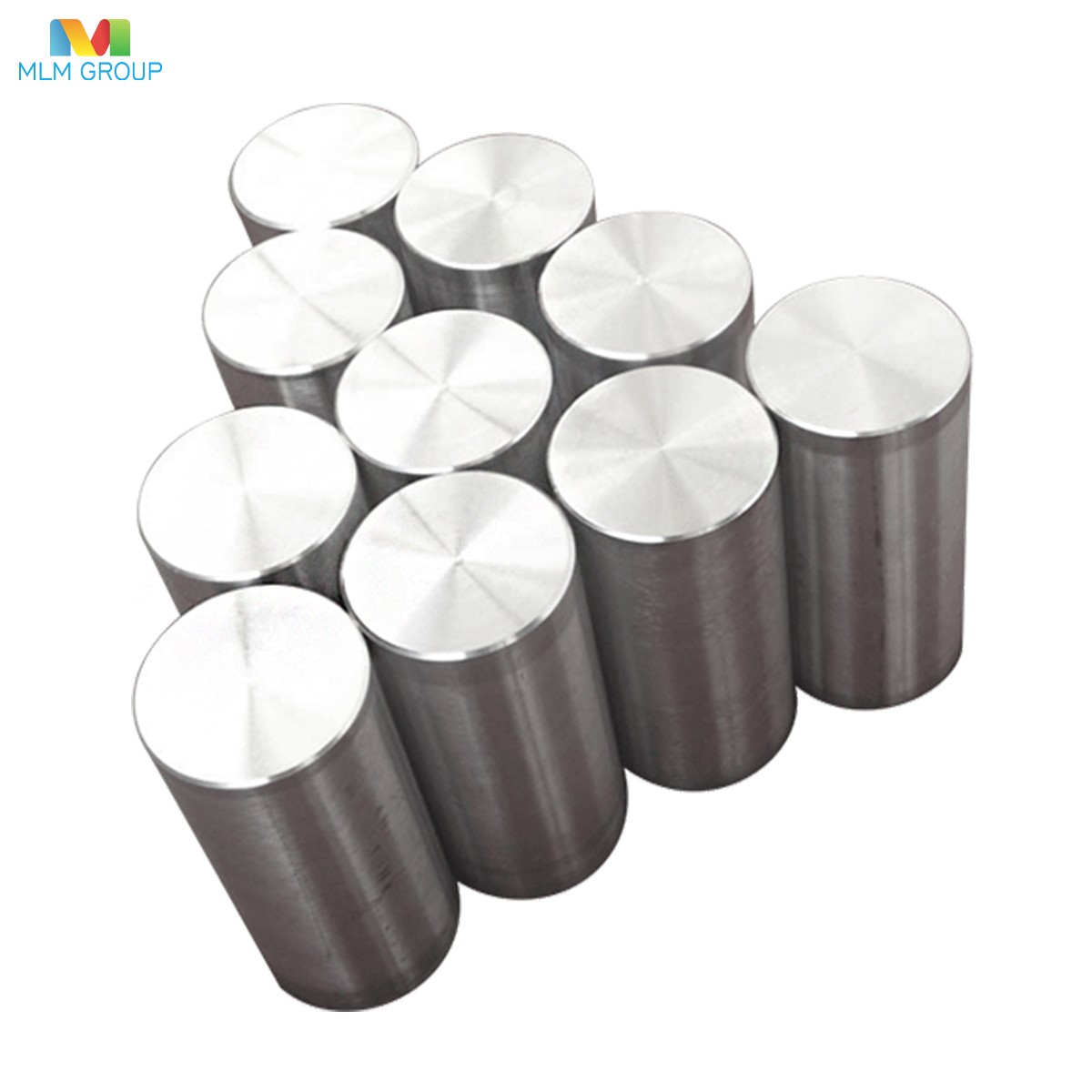
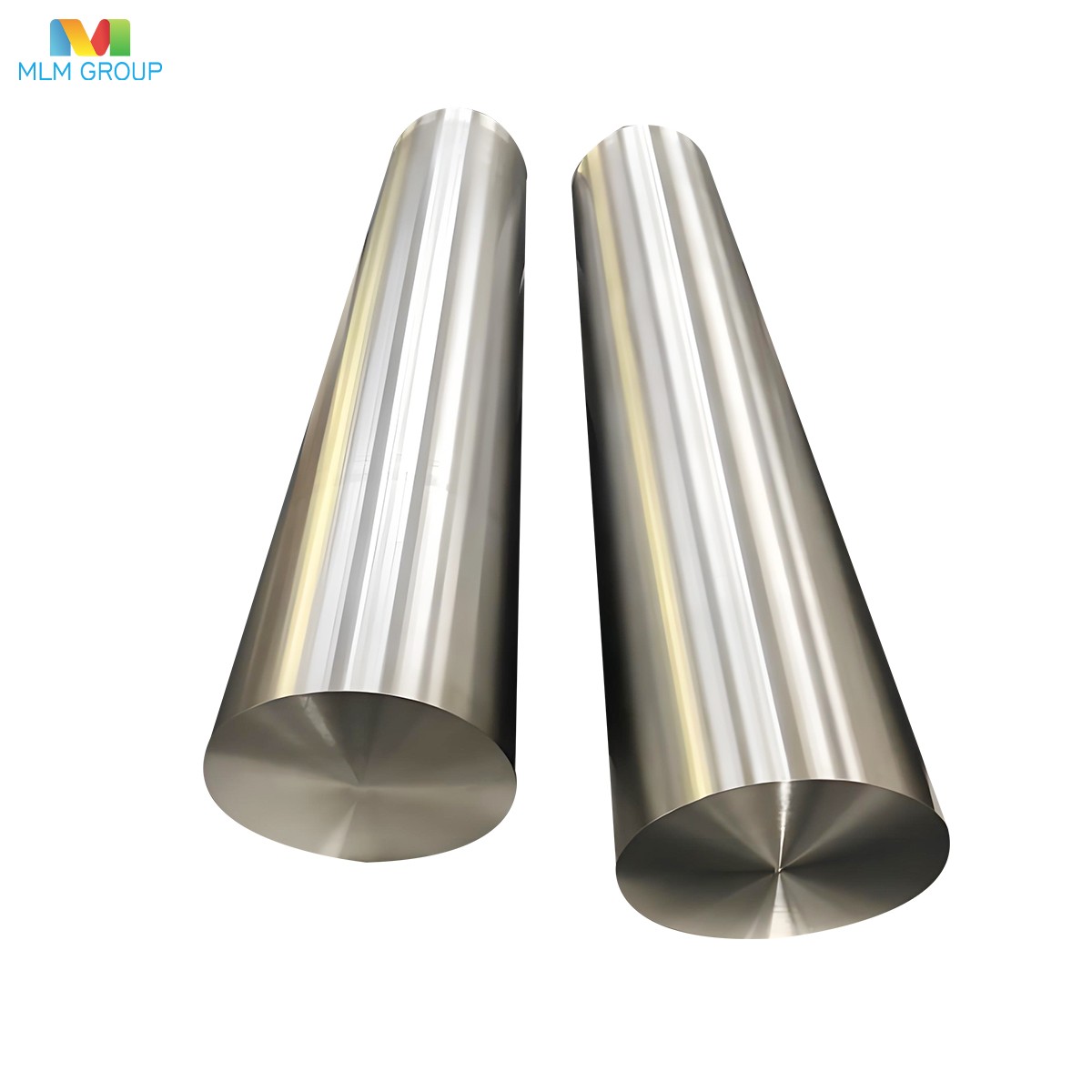
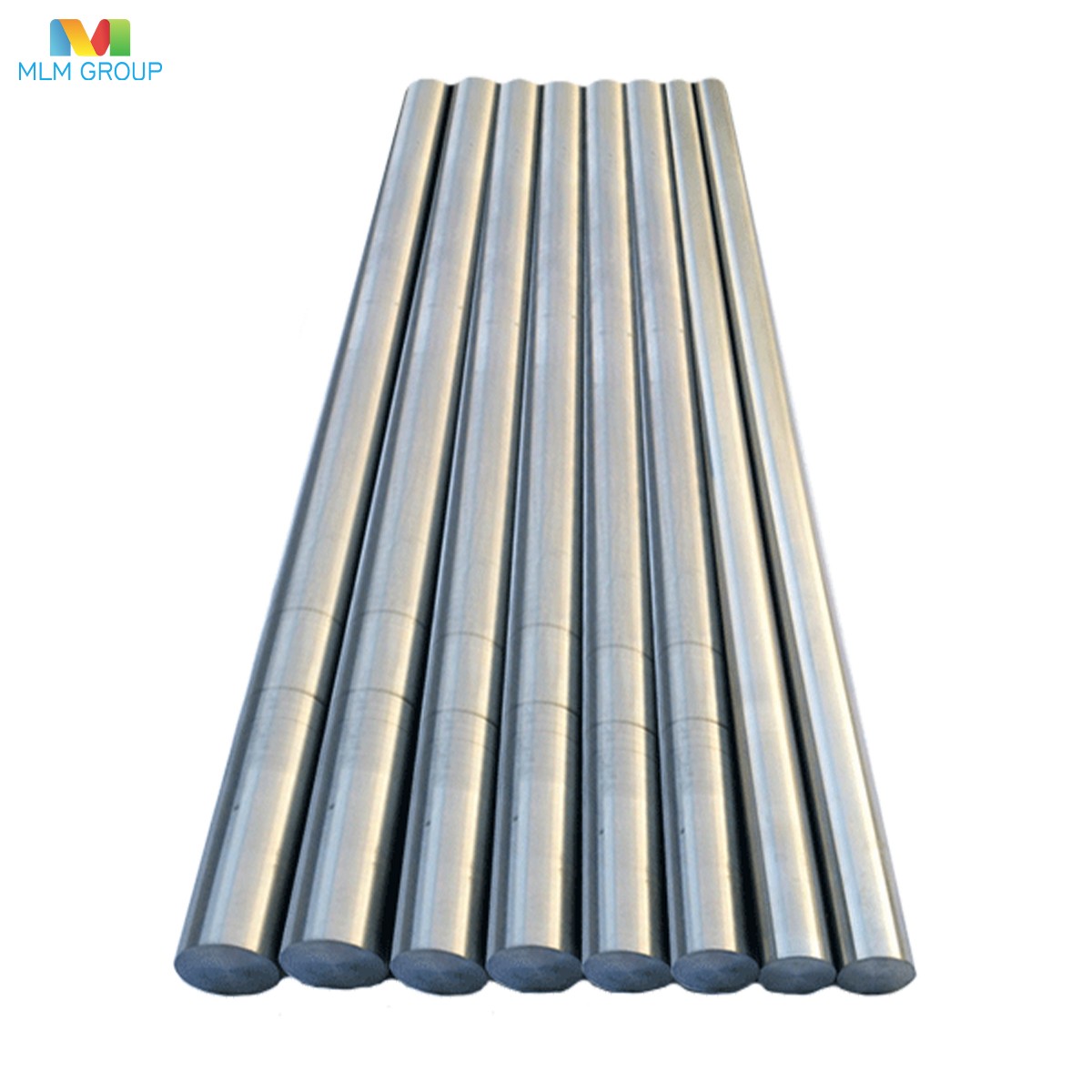
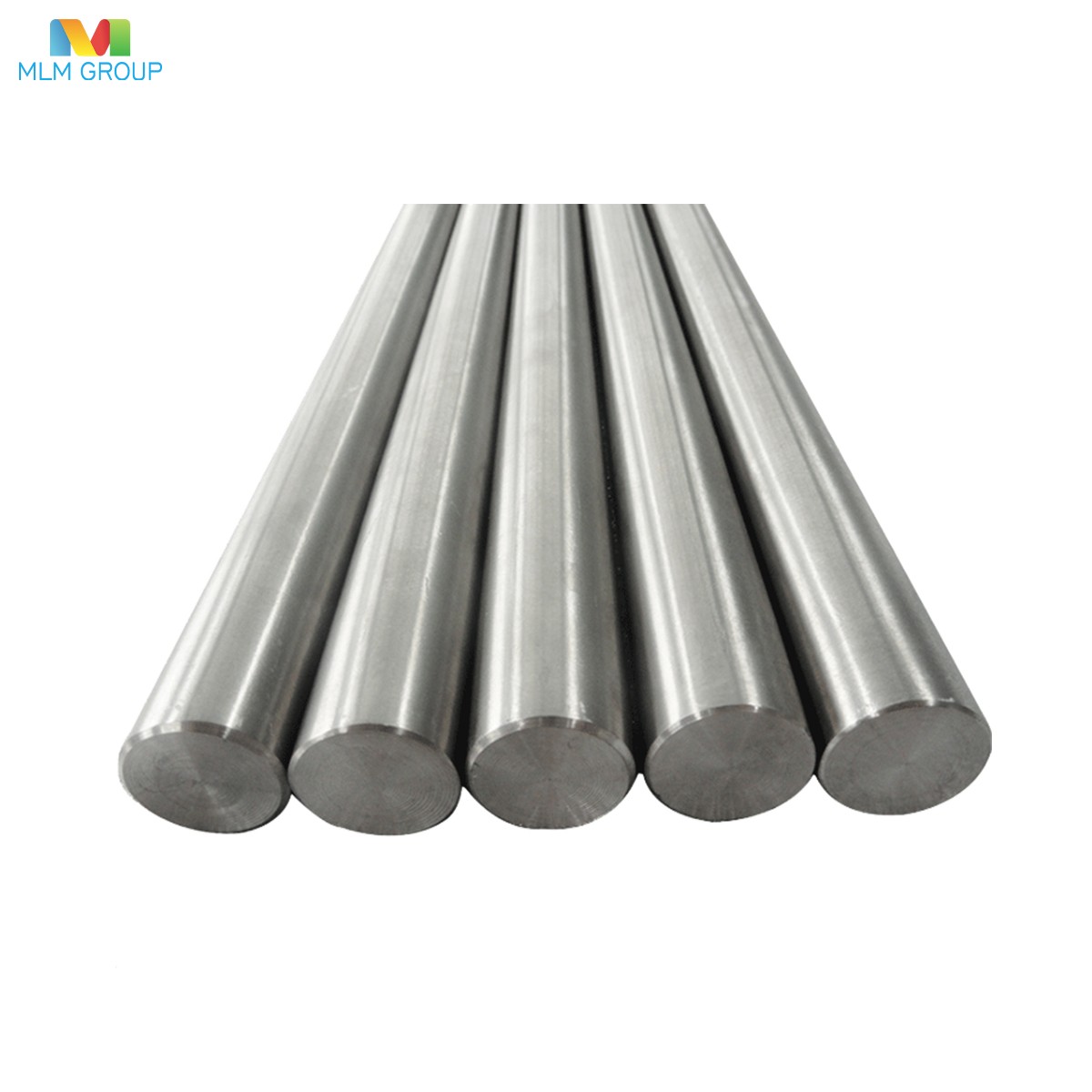
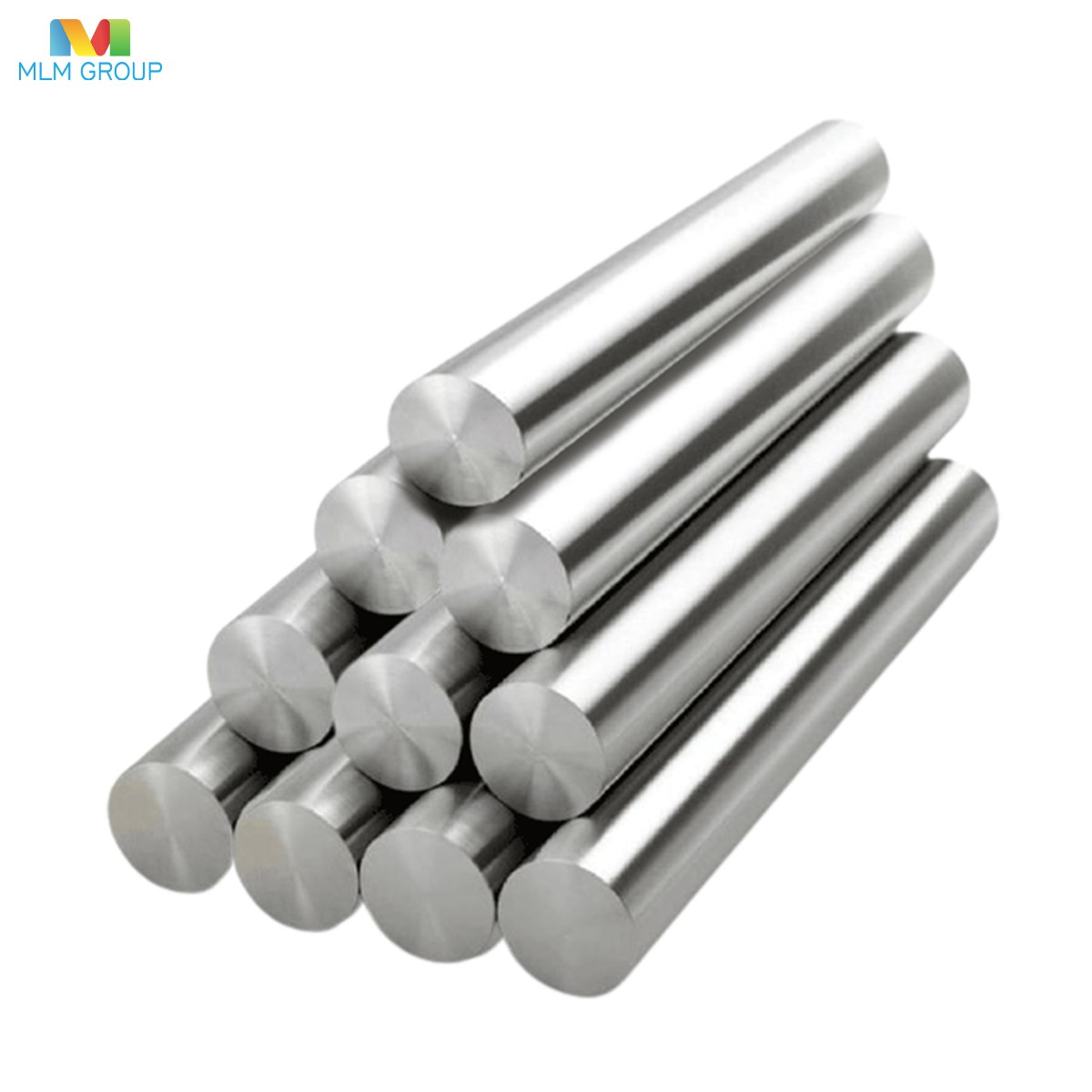
Titanium rods for industrial applications
|
|


Titanium rods have highly specialized applications in industrial fields. Let me outline a few key areas:
I. Petroleum and Chemical Industry
- Corrosion Resistance: Titanium rods require no anti-corrosion coating in fluoride-containing media, reducing total life-cycle costs by 30%. For example, the agitator spindle of the oxidation reactor in a PTA plant uses corrosion-resistant titanium rods, which remain stable even after long-term immersion in boiling acetic acid containing hydrogen bromide.
Chlor-alkali Industry: The coating formed by the oxidation treatment of titanium rod surfaces remains inert in saturated brine and chlorine gas, resulting in 30% higher electrolytic efficiency and more than 8 times longer lifespan compared to graphite anodes.
Oil Drilling: Titanium alloy drill pipes are widely used in ultra-deep wells and extended reach wells. Their low density reduces hook load by 30% and torque by 30-40%, significantly improving drill string pull margin and safety factor.
II. Power and Energy Industry
- High Temperature Resistance and Stability: Titanium rods remain stable in high-temperature environments, making them suitable for shipbuilding, power generation, and other fields.
Welding Performance: Titanium and titanium alloys exhibit superior weldability. Welding methods typically employ plasma or tungsten inert gas (TIG) welding. The welding process should be carried out under inert gas protection or in a vacuum. The tensile strength of the weld can reach over 90% of the tube’s strength.
III. Other Industrial Applications
Pharmaceutical Industry: Titanium rods remain stable in strong acid and alkali corrosion, making them a reliable partner in hydrometallurgy. For example, Chuanghui TC4 titanium alloy rods are corrosion-resistant and high-strength, suitable for the pharmaceutical and aerospace fields.
Mechanical Engineering: The main application of titanium alloys in mechanical engineering is in the automotive industry, possessing excellent comprehensive properties such as high strength, low density, and low elastic modulus.
IV. Technical Highlights
Surface Treatment: Sandblasting and anodizing make titanium rods more “human-friendly,” improving biocompatibility.
3D Printing: Precise modeling with an error of only 0.1mm allows for the reshaping of maxillofacial defects, suitable for personalized medical needs.
Vanadium-Free and Aluminum-Free: The new generation of alloys is safer, avoiding toxicity risks, and suitable for demanding industrial applications.