

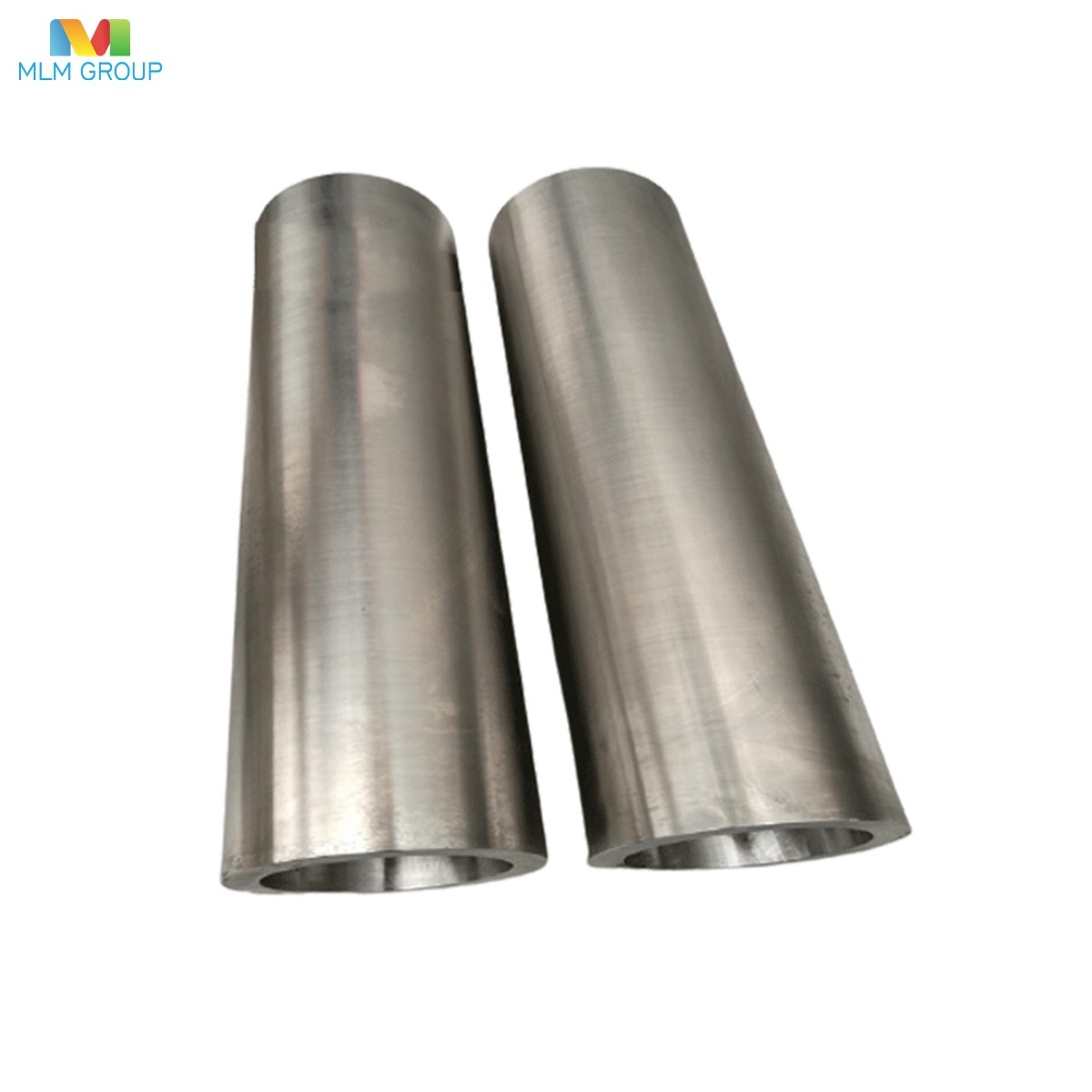
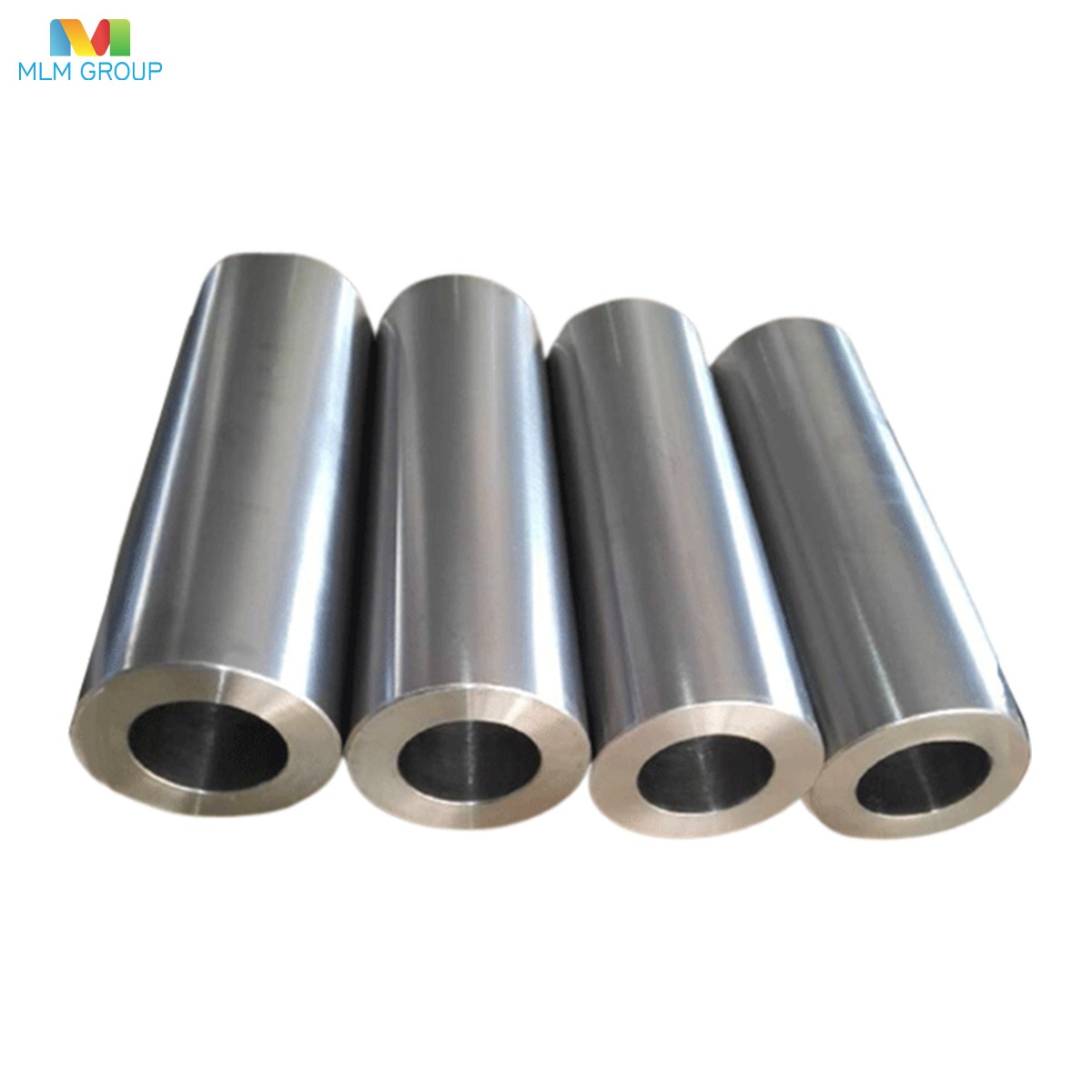
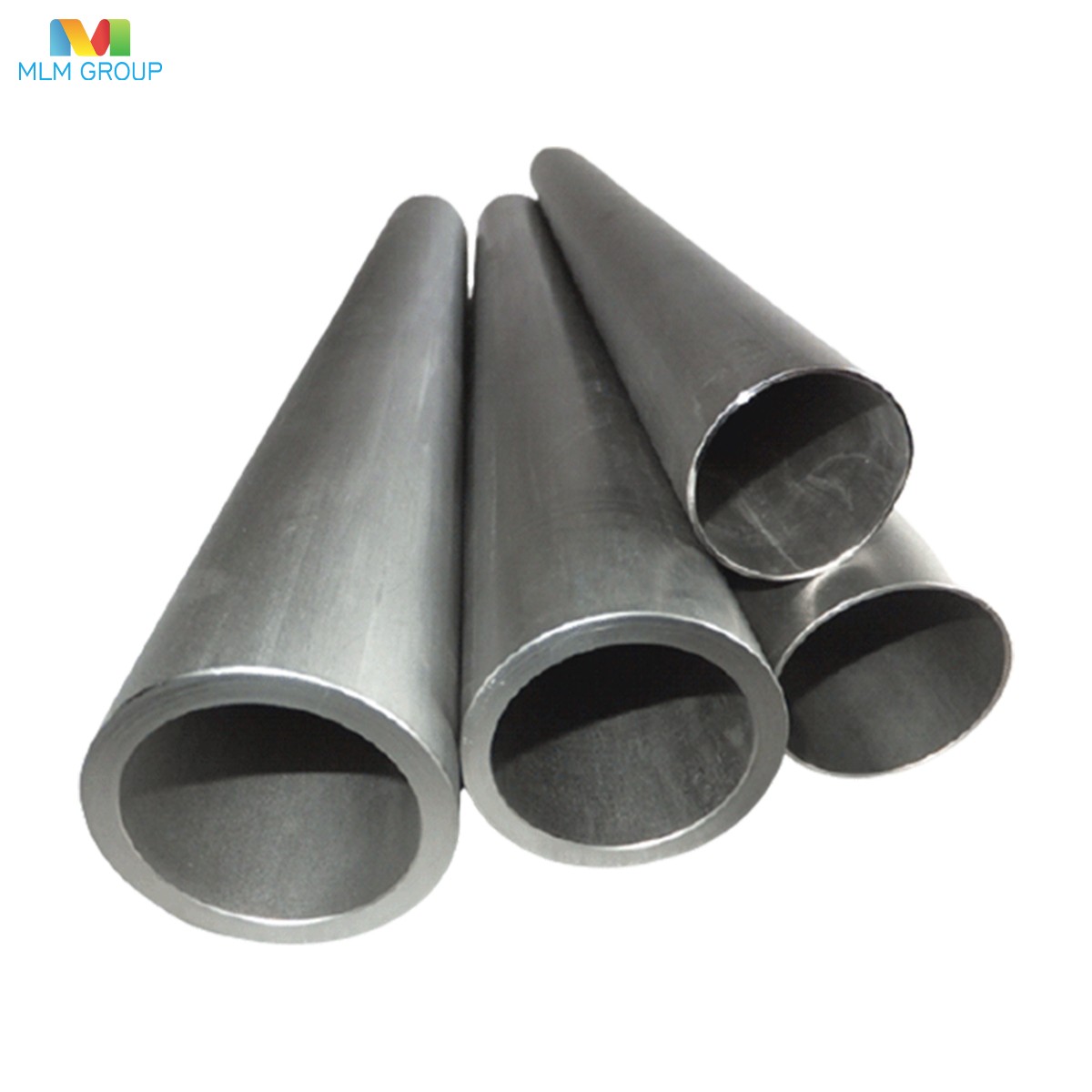
Deep-sea titanium pipe
|
|


Deep-sea titanium tubing is the “hidden champion” of deep-sea equipment. Its corrosion resistance, high strength, and lightweight properties make it the preferred material for key components such as deep-sea pressure hulls and condensers. Below are its core applications and technological highlights:
I. Core Characteristics: The “Ultimate Protection” for Deep-Sea Environments
Corrosion Resistance
The surface oxide film has extremely strong self-healing capabilities, with a corrosion rate of only 0.0005 mm/year, far exceeding that of stainless steel.
Suitable for seawater environments with chloride ion concentrations exceeding 50,000 mg/L.
Mechanical Properties
Tensile strength ≥ 895 MPa, density 4.5 g/cm³, specific strength 199, significantly higher than high-strength steel.
Excellent low-temperature toughness; impact energy at -2℃ seabed 55 J, superior to high-strength steel and aluminum alloys.
Economy
Maintenance costs are only 17.8% of high-strength steel, with a short investment payback period.
Through a titanium-steel composite structure, weight is reduced by 35%, and the maintenance cycle is extended by 400%. II. Typical Applications: Covering the Entire Industry from Deep Sea to Energy
Deep Sea Pressure Hulls
The Russian Borei-class nuclear submarine uses a PT-3V titanium alloy pressure hull, capable of withstanding 50 atmospheres of pressure.
The USS Alvin deep-sea submersible uses a titanium alloy pressure hull to reduce structural weight.
Condensers and Heat Exchangers
The Qingdao seawater desalination plant uses TA2 industrial pure titanium condenser tubes, exhibiting extremely low corrosion rates.
The service life of titanium tube heat exchangers at a nuclear power plant in Fujian is 3.8 times longer than that of copper-nickel alloy tubes.
Shipbuilding and Marine Engineering
Marine seawater condensers use titanium tubes to ensure long-term stable operation.
Deep-sea drilling equipment uses titanium tubes, which are resistant to high temperatures and corrosion.
III. Technological Breakthroughs: Innovation from Materials to Processes
Alloy Innovation
PT-3V Titanium Alloy: Used for the pressure hulls of Russian nuclear submarines, offering high strength.
TA2 Industrial Pure Titanium: The preferred material for condenser tubes in seawater desalination plants, offering strong corrosion resistance.
Technological Innovation
Electron Beam Welding: Joint strength reaches 90% of the base metal, highly recognized by NASA engineers.
Titanium-Steel Composite Structure: Outer layer of titanium alloy for corrosion resistance, inner layer of high-strength steel for impact resistance, resulting in a 35% weight reduction.
IV. Market Trends: Penetration from High-End to Mid-Range
High-End Market: Titanium alloys solidify their position through performance advantages, such as in deep-sea pressure hulls and condensers.
Mid-Range Market: The combination of low-cost titanium alloys and 3D printing technology drives down the price of titanium components, enabling large-scale penetration.