

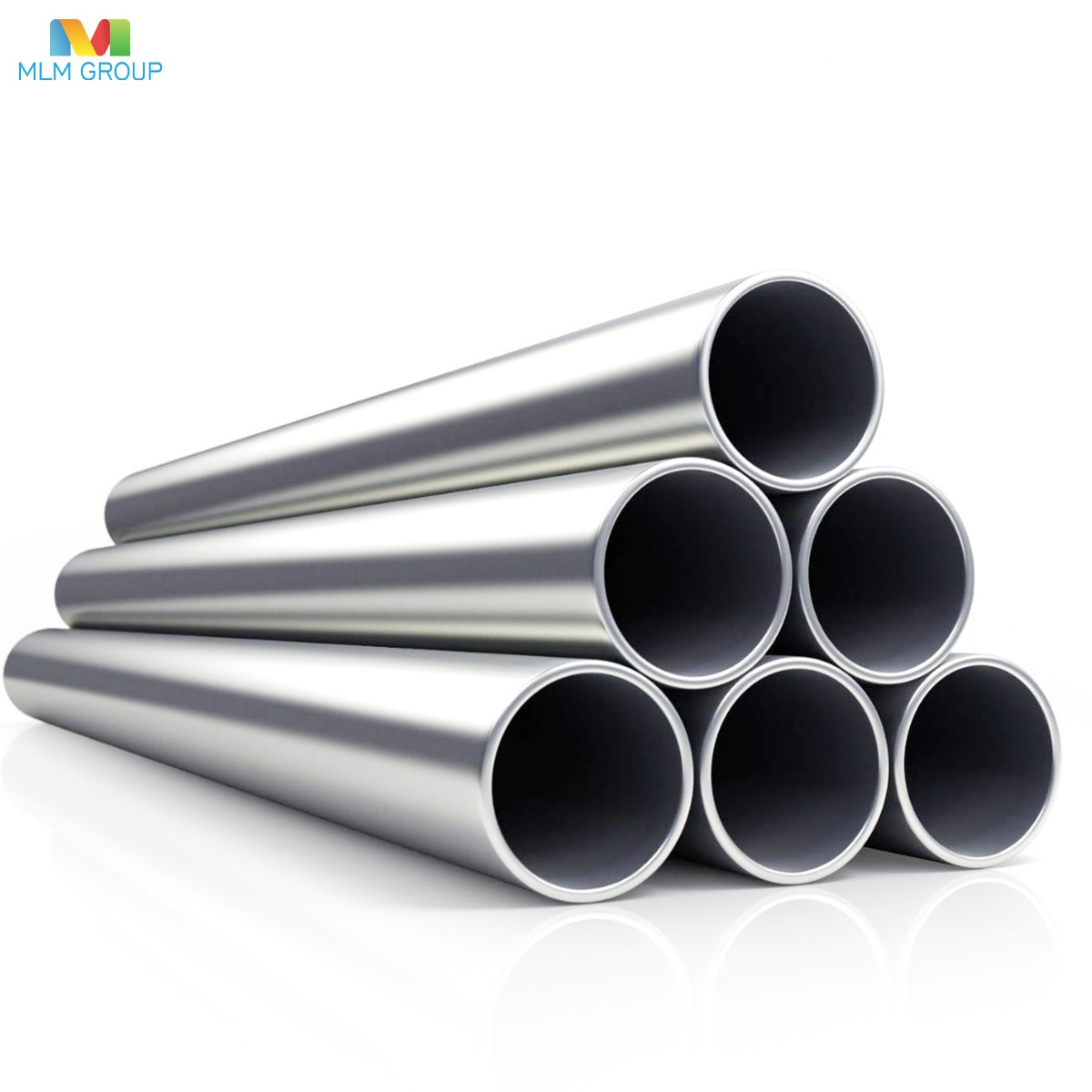
Aerospace-grade titanium tubes
|
|


Aerospace-grade titanium tubing is the “lightweight champion” of the aviation industry. Tubing made from titanium alloys excels in weight reduction and high-temperature resistance. Here’s a quick overview of its core advantages:
I. Performance Advantages: The “Hexagonal Warrior” of the Aviation World
Extreme Weight Reduction: With a density of only 4.5g/cm³, it’s 40% lighter than steel, yet boasts a strength of 1100MPa, allowing for lighter aircraft structures.
High-Temperature Resistance: Stable operation at 500℃, meeting the requirements of high-temperature components such as engines.
Fatigue Resistance: Withstands frequent stress cycles, ensuring flight safety.
II. Typical Applications: The “Titanium Skeleton” from Rockets to Passenger Aircraft
Rocket Fuel Delivery: TB2 titanium alloy seamless tubing retains its plasticity at -253℃, enabling the Long March 5 rocket to reduce its weight by 2.3 tons.
Passenger Aircraft Hydraulic Systems: The Boeing 787’s TA18 titanium alloy hydraulic lines, with a wall thickness of less than 2mm, can withstand extreme low temperatures.
Spacecraft Manufacturing: Key components such as titanium alloy pressure vessels and fuel tanks.
III. Technological Breakthroughs: China’s “Titanium Alloy Revolution”
Isothermal Extrusion: Precise temperature control within ±3℃, zero crack defect rate, and a 15% increase in yield.
Hydrostatic Extrusion: 68,000-ton extruder produces ultra-fine grain titanium alloys with a compressive strength of 375.2 MPa.
Extrusion Perforation: TC4 titanium alloy tubing achieves a 15% increase in tensile strength, with precision down to the diameter of a human hair.
IV. Market Trends: From Import to Domestic Production: The “Titanium Alloy Comeback”
High-end Market: Titanium alloy tubing accounts for 20%-30% of the usage in aero-engines.
Mid-range Market: The combination of low-cost titanium alloys and 3D printing technology drives down prices.