

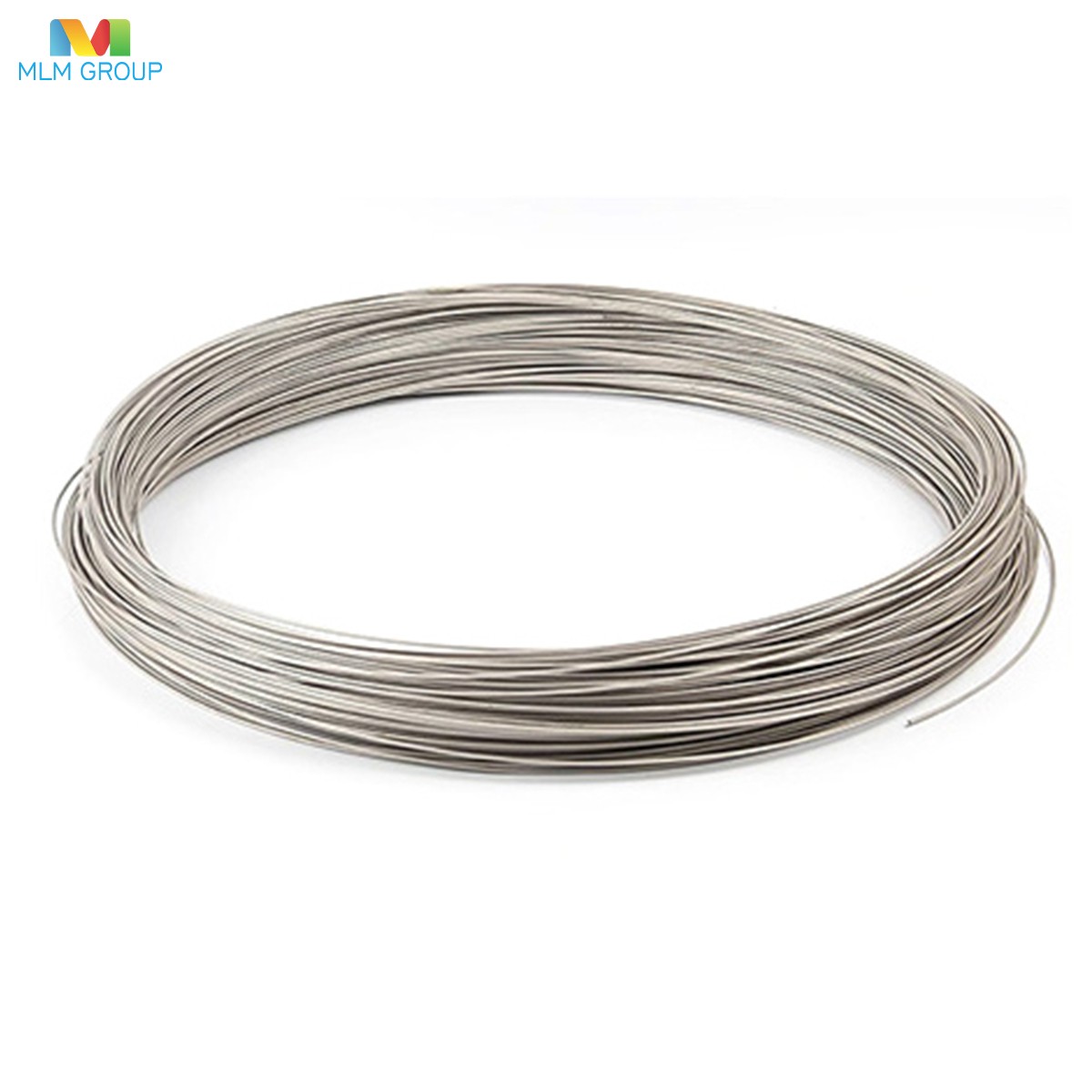
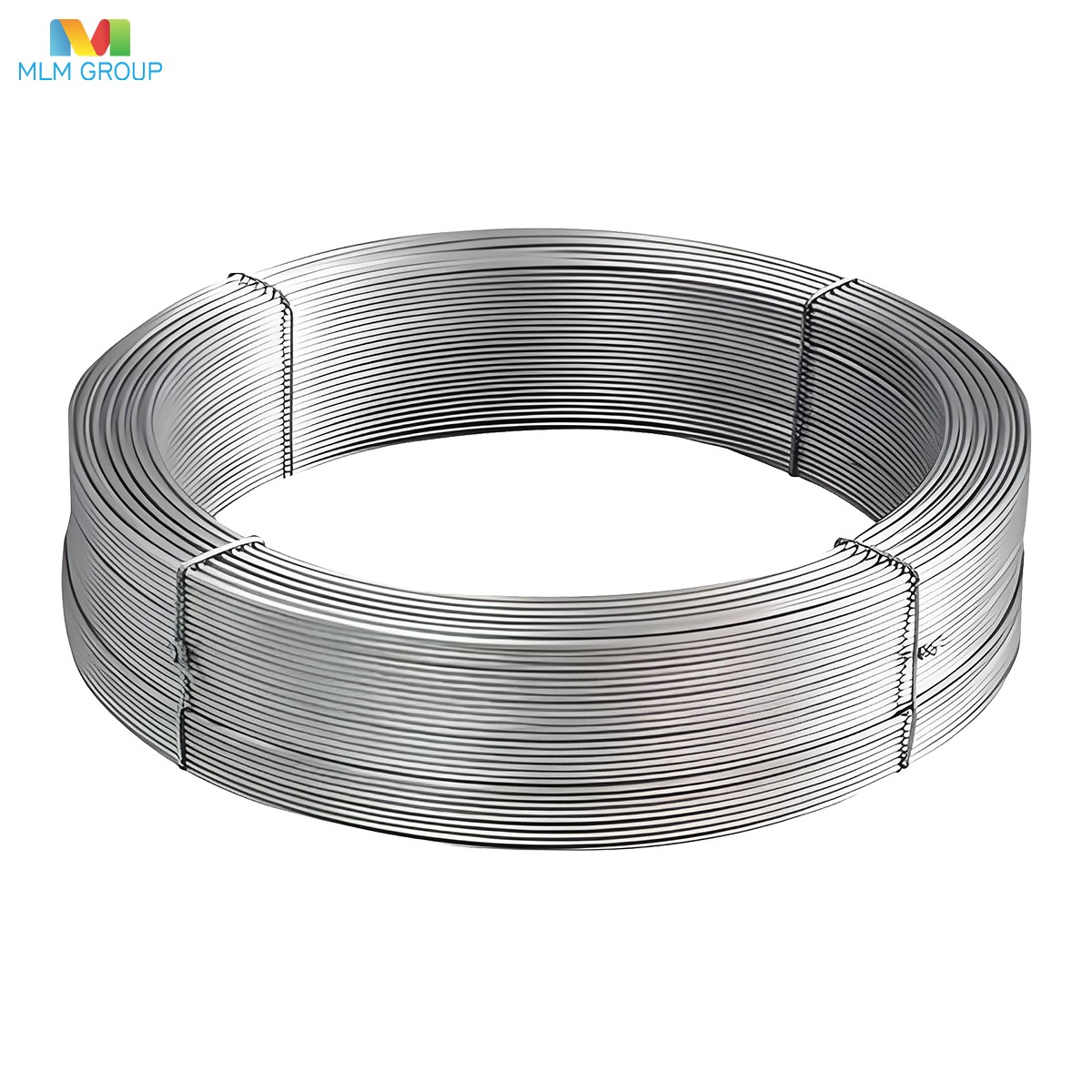
Aerospace titanium wire
|
|


Aerospace titanium wire is the “lightweight champion” of the aerospace industry. Its high strength, high temperature resistance, and lightweight properties make it the preferred material for key components such as rocket fuel delivery and passenger aircraft hydraulic systems. Here are its core characteristics:
I. Core Characteristics: The “Hexagonal Warrior” of the Aerospace Industry
Extreme Weight Reduction: With a density of only 4.5g/cm³, it is 40% lighter than steel, yet boasts a strength of up to 1100MPa, allowing for lighter aircraft structures.
High Temperature Resistance: A melting point as high as 1668℃, far exceeding stainless steel and aluminum alloys, making it suitable for high-temperature environments.
Fatigue Resistance: It can withstand frequent stress cycles, ensuring flight safety.
II. Typical Applications: The “Titanium Skeleton” from Rockets to Passenger Aircraft
Rocket Fuel Delivery: TB2 titanium alloy seamless tubes maintain their plasticity at -253℃, enabling the Long March 5 rocket to reduce its weight by 2.3 tons.
Passenger Aircraft Hydraulic Systems: The Boeing 787’s TA18 titanium alloy hydraulic lines, with a wall thickness of less than 2mm, can withstand extreme low temperatures.
Spacecraft Manufacturing: Key components such as titanium alloy pressure vessels and fuel tanks.
III. Technological Breakthroughs: China’s “Titanium Alloy Revolution”
Isothermal Extrusion: Precise temperature control within ±3℃, zero crack defect rate, and a 15% increase in yield.
Hydrostatic Extrusion: 68,000-ton extruder produces ultra-fine grain titanium alloys with a compressive strength of 375.2 MPa.
Extrusion Perforation: TC4 titanium alloy tubing achieves a 15% increase in tensile strength, with precision down to the diameter of a human hair.
IV. Market Trends: From Import to Domestic Production: The “Titanium Alloy Comeback”
High-end Market: Titanium alloy tubing accounts for 20%-30% of the usage in aero-engines.
Mid-range Market: The combination of low-cost titanium alloys and 3D printing technology drives down prices.