

Medical Devices / Titanium


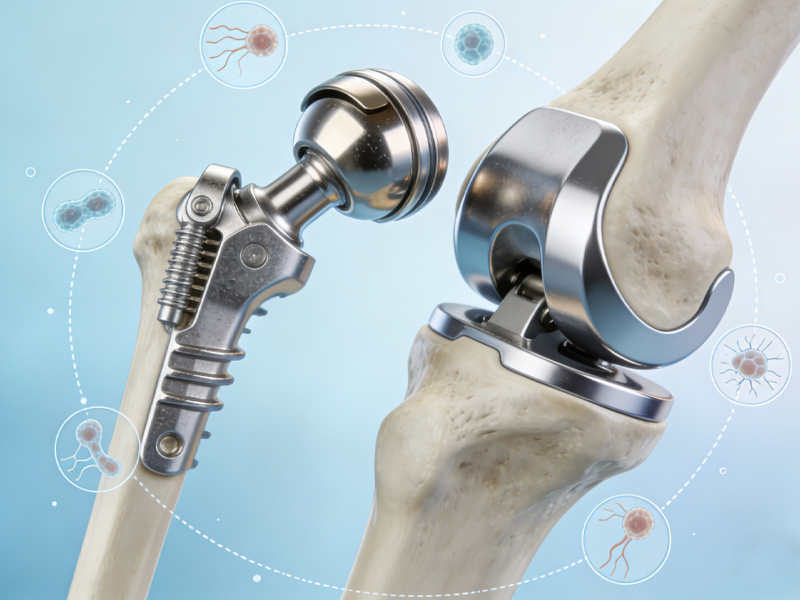
The application of titanium in medical devices is indeed a technological highlight. With its advantages such as biocompatibility, corrosion resistance, lightweight yet high strength, and non-magnetic properties, it has become the preferred material for implants and surgical instruments. Specifically:
I. Core Advantages
Biocompatibility: The oxide film formed on the surface of titanium effectively prevents the release of metal ions, reducing the risk of allergies or inflammation, making it the preferred material for orthopedic joint replacements and dental implants.
Corrosion Resistance: Exhibits excellent corrosion resistance in bodily fluids, extending the lifespan of implants by more than 10 years.
Lightweight and High Strength: With a density of only 4.5 g/cm³, its strength is close to that of stainless steel, but it is lighter, making it suitable for manufacturing artificial joints or bone fixation devices.
Non-Magnetic Interference: Titanium is a paramagnetic material and will not interfere with imaging examinations such as MRI, ensuring the accuracy of postoperative imaging assessment.
II. Specific Applications
Orthopedic Implants: Titanium alloys are commonly used in hip joints, knee joints, and spinal fixation devices.
Dental Restoration: Titanium alloys are used to manufacture dental implants, making them an ideal choice due to their excellent biocompatibility and mechanical properties.
Cardiovascular Devices: Titanium alloys are used in cardiac stents, pacemaker housings, etc.
Surgical Instruments: Titanium alloys are used to manufacture surgical instruments such as bone plates and screws.
III. Market Cases
Artificial Joints: Titanium alloy artificial joints possess excellent biocompatibility and corrosion resistance, resulting in a long service life.
Dental Implants: Titanium alloy dental implants integrate seamlessly with bone tissue, reducing trauma and the risk of complications.
Cardiac Stents: Titanium alloy cardiac stents offer good corrosion resistance and biocompatibility, ensuring patient safety.
IV. Future Trends
With the development of 3D printing technology, titanium alloys can be customized to manufacture complex implants with biomimetic porous structures, further improving their clinical efficacy. In the future, the application of titanium alloys in medical devices will become more widespread, driving the development of personalized medicine.