

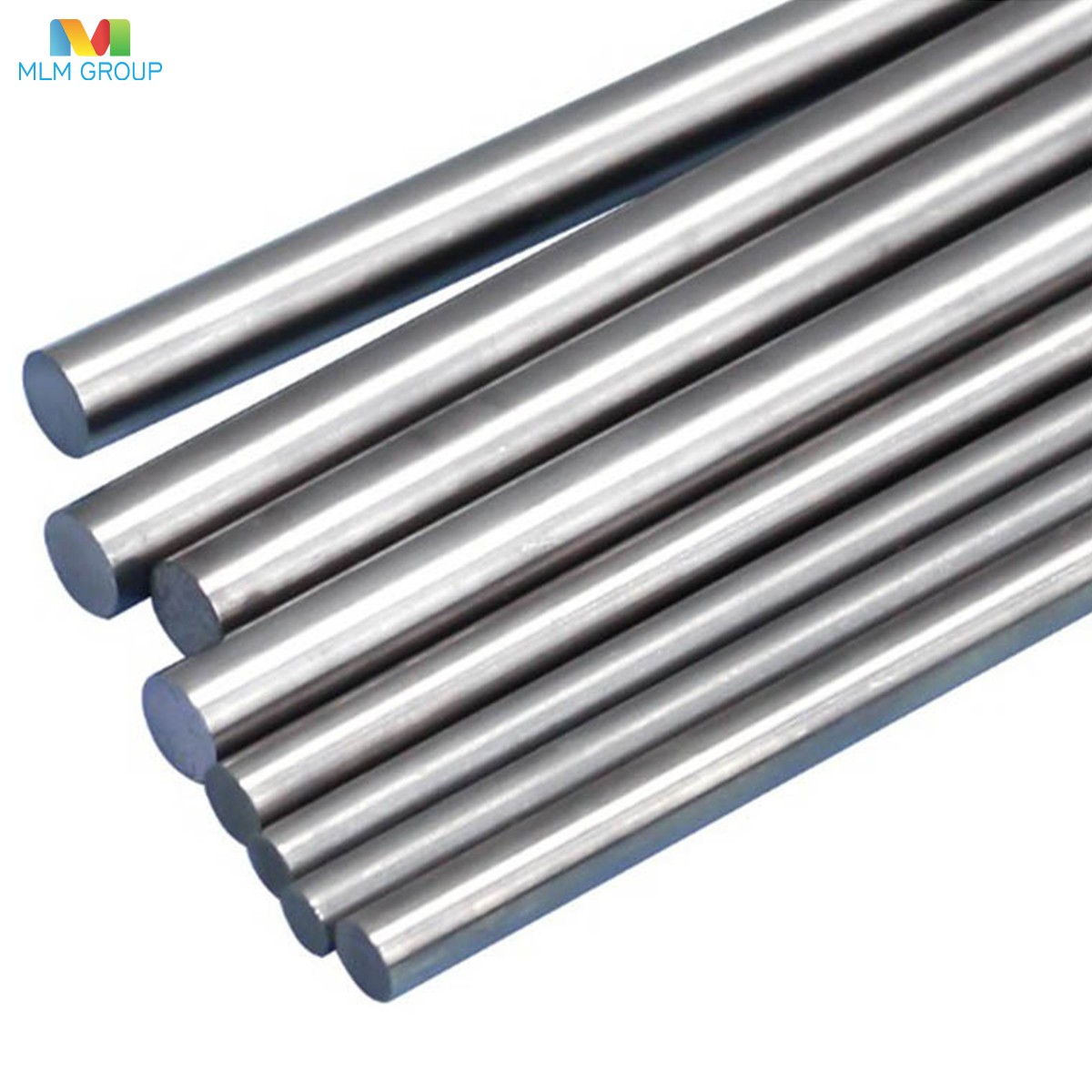
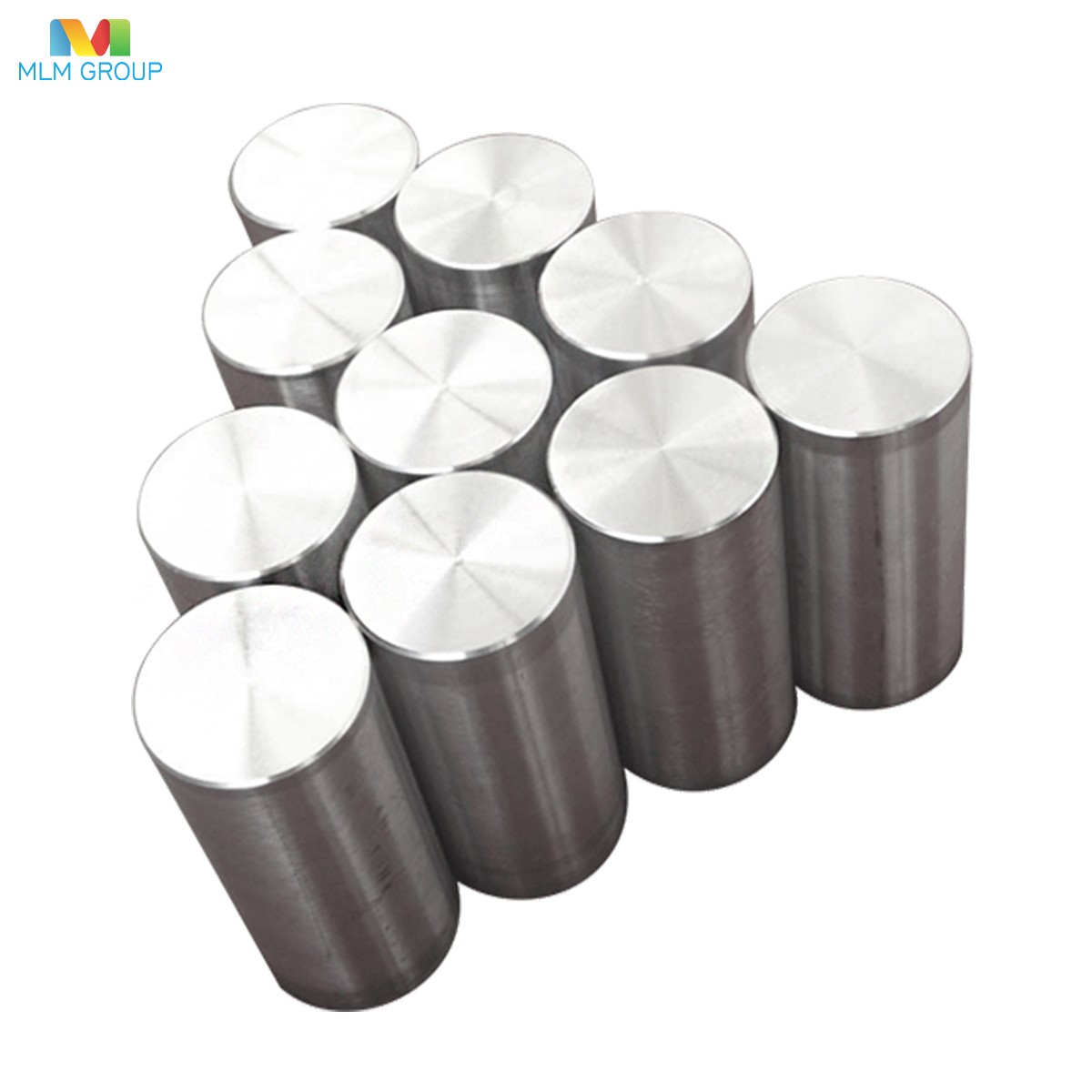
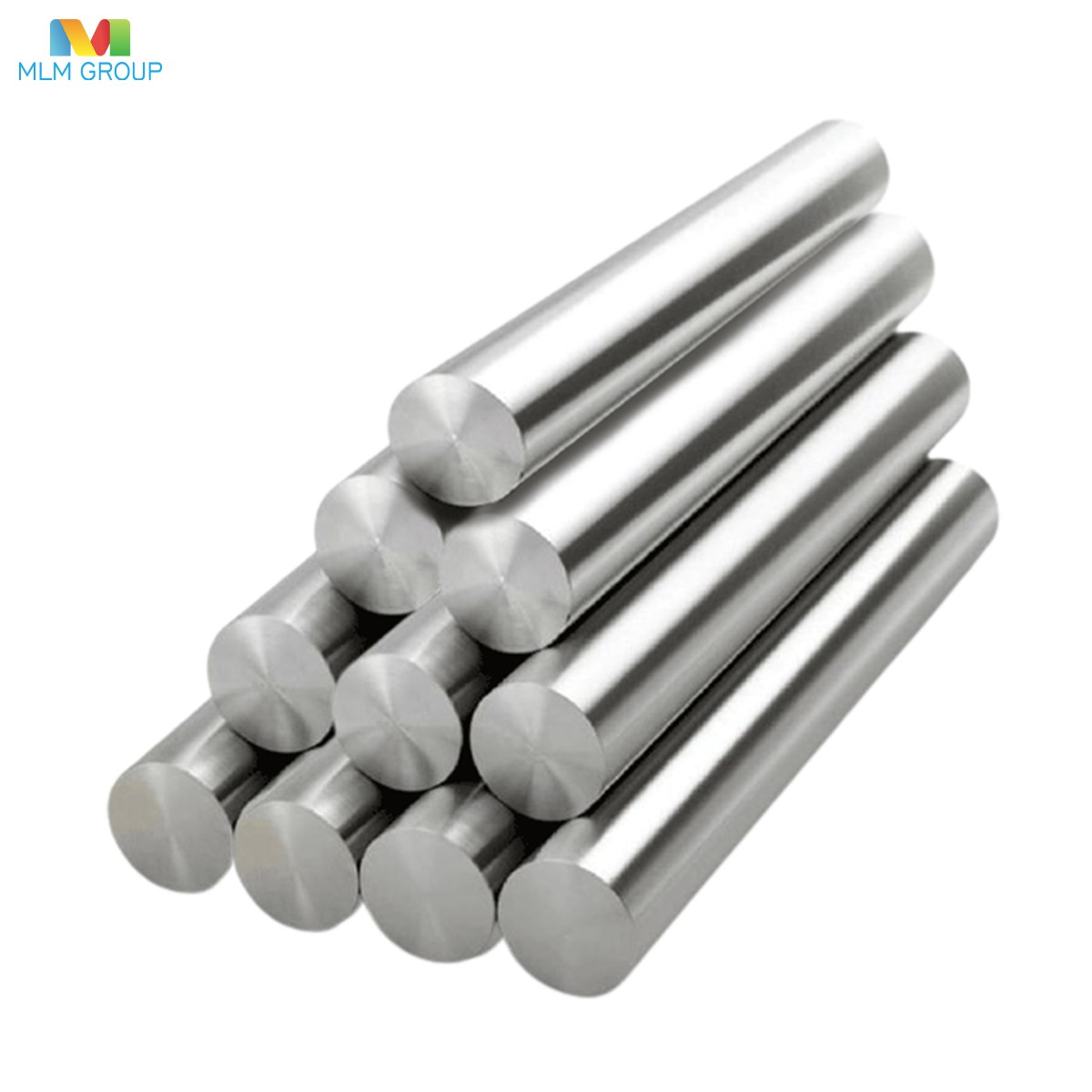
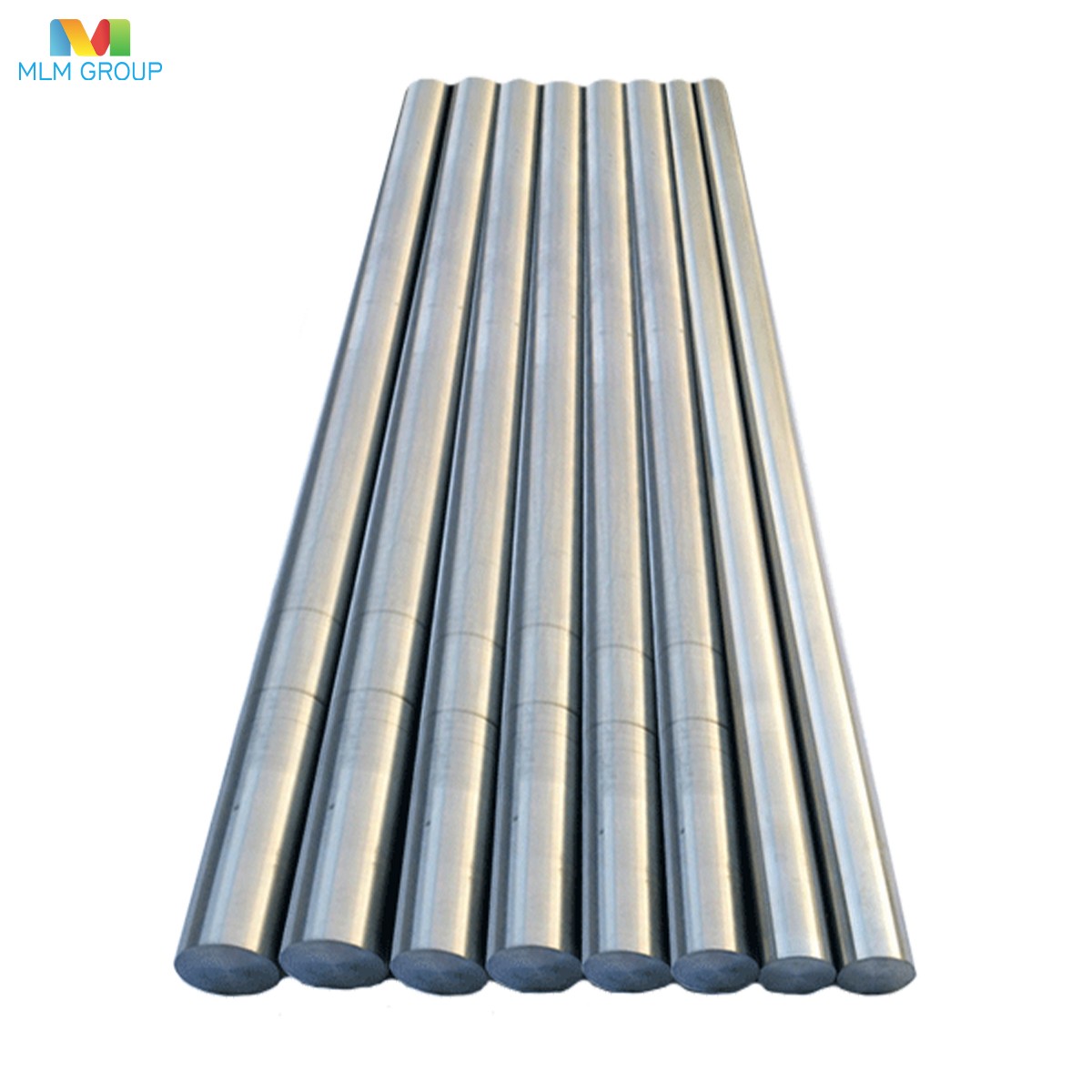
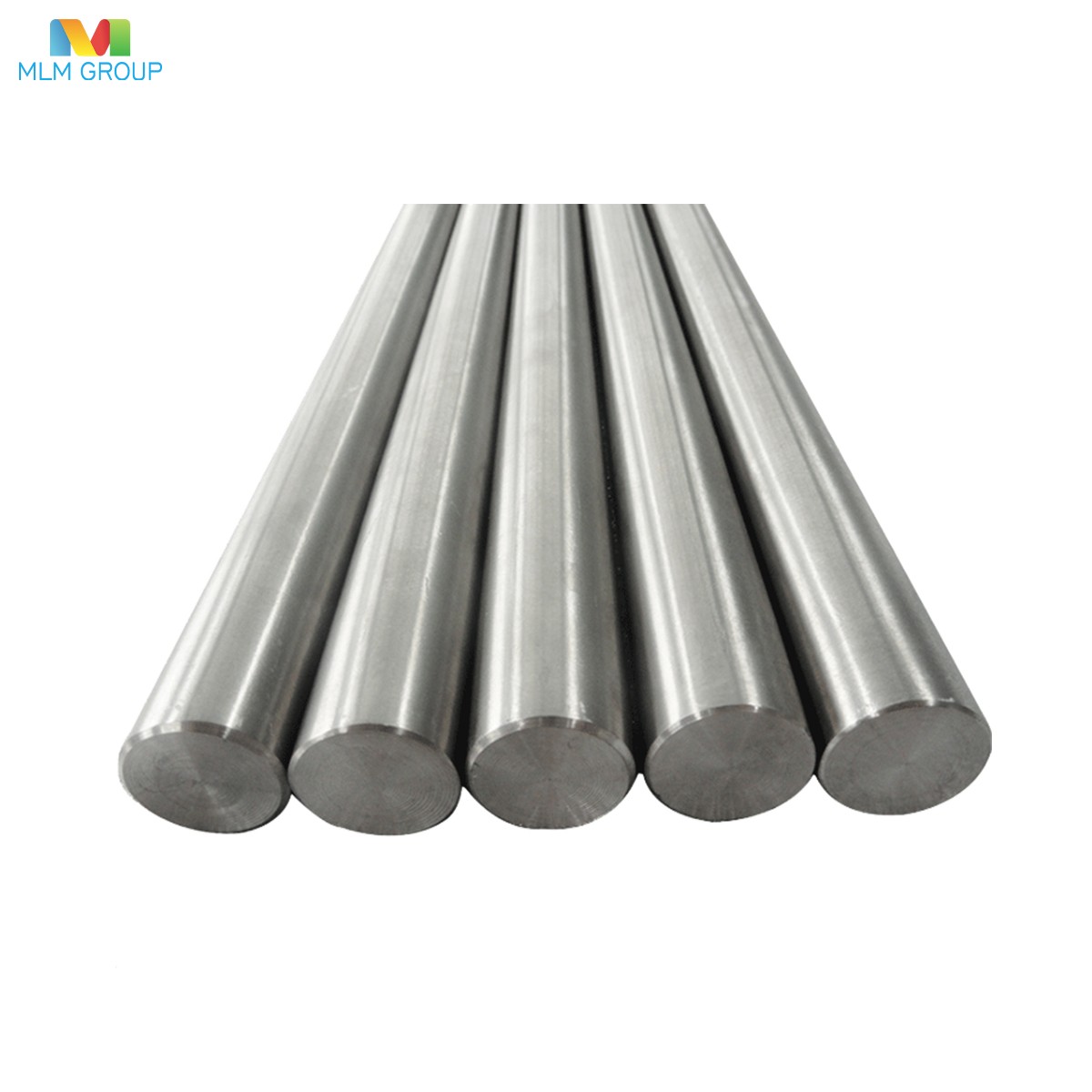
Medical titanium rod
|
|


Medical titanium rods are the “invisible heroes” of the medical field. Using lightweight titanium alloys, they provide strong support for the human body, with wide applications, especially in orthopedics and dentistry. Here are their core characteristics:
I. Material Properties
Low Density, High Strength: With a density of only 4.5 g/cm³, it is 43% lighter than steel but has higher strength, suitable for long-term load-bearing.
Corrosion Resistance: Stable in body fluids, avoiding implant failure due to corrosion.
Biocompatibility: The surface oxide layer prevents the release of metal ions, reducing the risk of allergies.
II. Application Areas
Orthopedics: Artificial hip joint prostheses achieve a bone integration strength of up to 30 MPa, with a bone integration rate exceeding 95% after 5 years.
Dentistry: After implants integrate with the alveolar bone, chewing efficiency is restored to more than 80% of that of natural teeth.
Spinal Fixation: TC4 titanium rods are used in spinal fixation systems to provide axial stability support.
III. Production Standards
International Standard: ASTM-F136 specifies the chemical composition and mechanical properties.
Chinese standard GB/T13810 covers TA and TC series titanium alloys.
Medical titanium rods, due to their superior performance, have become the preferred material for medical implants, providing patients with a long-term reliable solution.