

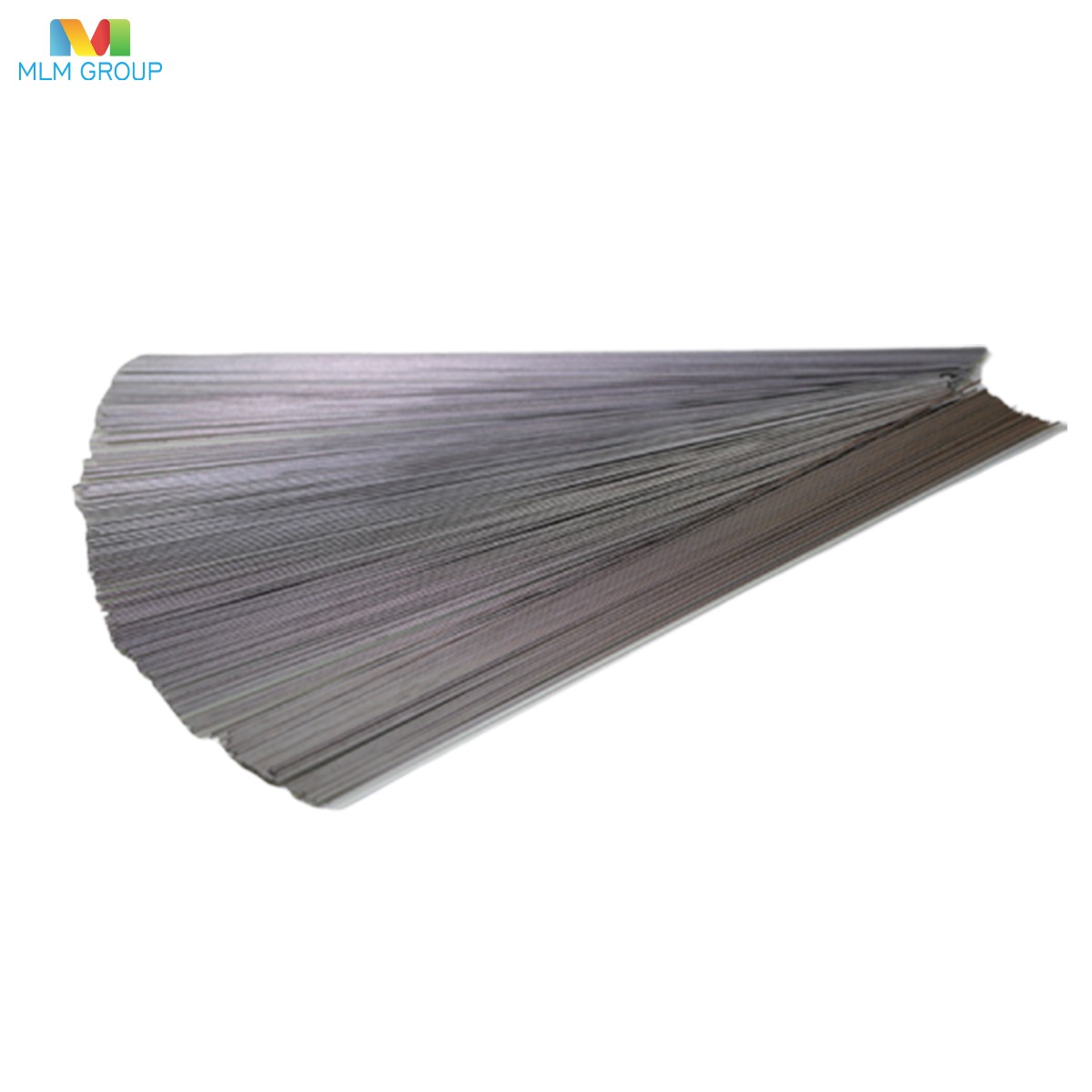
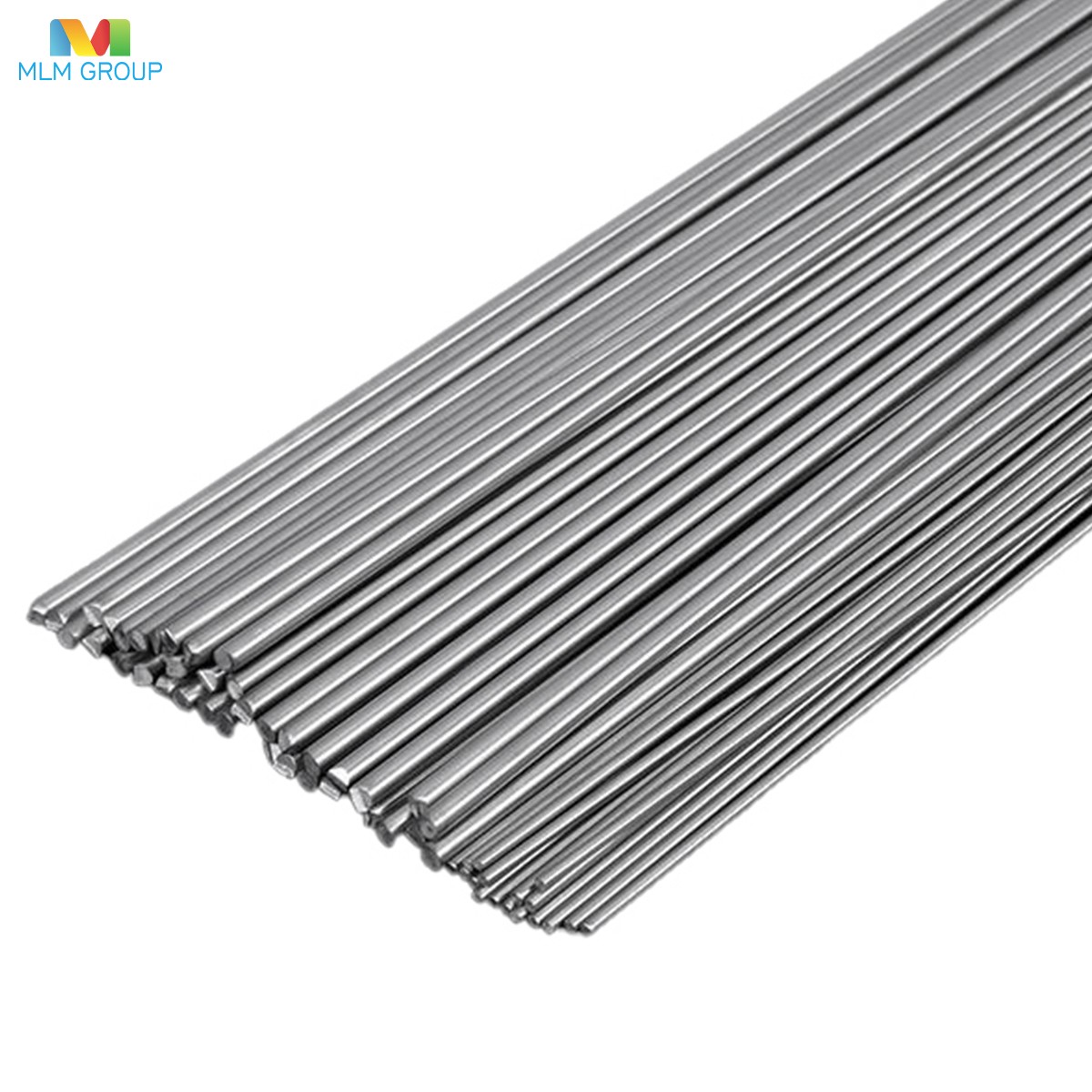
Medical titanium wire
|
|


Medical-grade titanium wire is a “hidden champion” in the medical field, becoming the preferred material for implants such as artificial joints and dental implants due to its three core advantages: biocompatibility, corrosion resistance, and lightweight. Here is its core information:
I. Core Characteristics: Benchmark for Medical-Grade Performance
Biocompatibility
The surface oxide film has no toxic side effects on human tissue, with an rejection rate of less than 0.1%.
ISO 10993-5 certified, ensuring long-term implant safety.
Corrosion Resistance
Stable in body fluids containing chloride ions, with a lifespan exceeding 15 years.
Suitable for highly corrosive environments such as those for diabetic patients.
Mechanical Properties
Elastic modulus matches bone structure, reducing stress shielding effects.
Tensile strength ≥895MPa, meeting load-bearing requirements.
II. Typical Applications: Full Coverage from Joints to Dental Implants
Orthopedic Implants
Artificial Hip Joint: TC4 titanium wire (Ti-6Al-4V) with 95% osseointegration rate.
Spinal Fixation: TA2 titanium wire is used for pedicle screws, with no loosening 5 years post-surgery.
Dental Restoration
Implants: TA1 titanium wire integrates with alveolar bone, restoring 80% of chewing efficiency.
Dental Frameworks: 3D-printed titanium wire achieves a 98% fit.
Cardiovascular Field
Ni-titanium alloy wire is used for frameworks, automatically restoring support after compression.
III. Technological Breakthroughs: Innovation from Materials to Processes
Alloy Innovation
TA10 Titanium Wire: Resistant to crevice corrosion, suitable for diabetic patients.
TC21 Titanium Wire: High-temperature resistant, used in the manufacture of artificial pelvises.
Process Innovation
3D Printing: 0.1mm error, reshaping maxillofacial defects.
Laser Welding: Weld strength reaches 92% of the base material, modular design.
IV. Market Trends: Penetration from High-End to Mid-Range
High-End Market: TC4 titanium wire is used in racing, reducing weight by 30%. Mid-range market: The price of low-cost β-titanium wire (such as Ti-3Al-2.5V) has dropped to 3-5 times that of steel.