

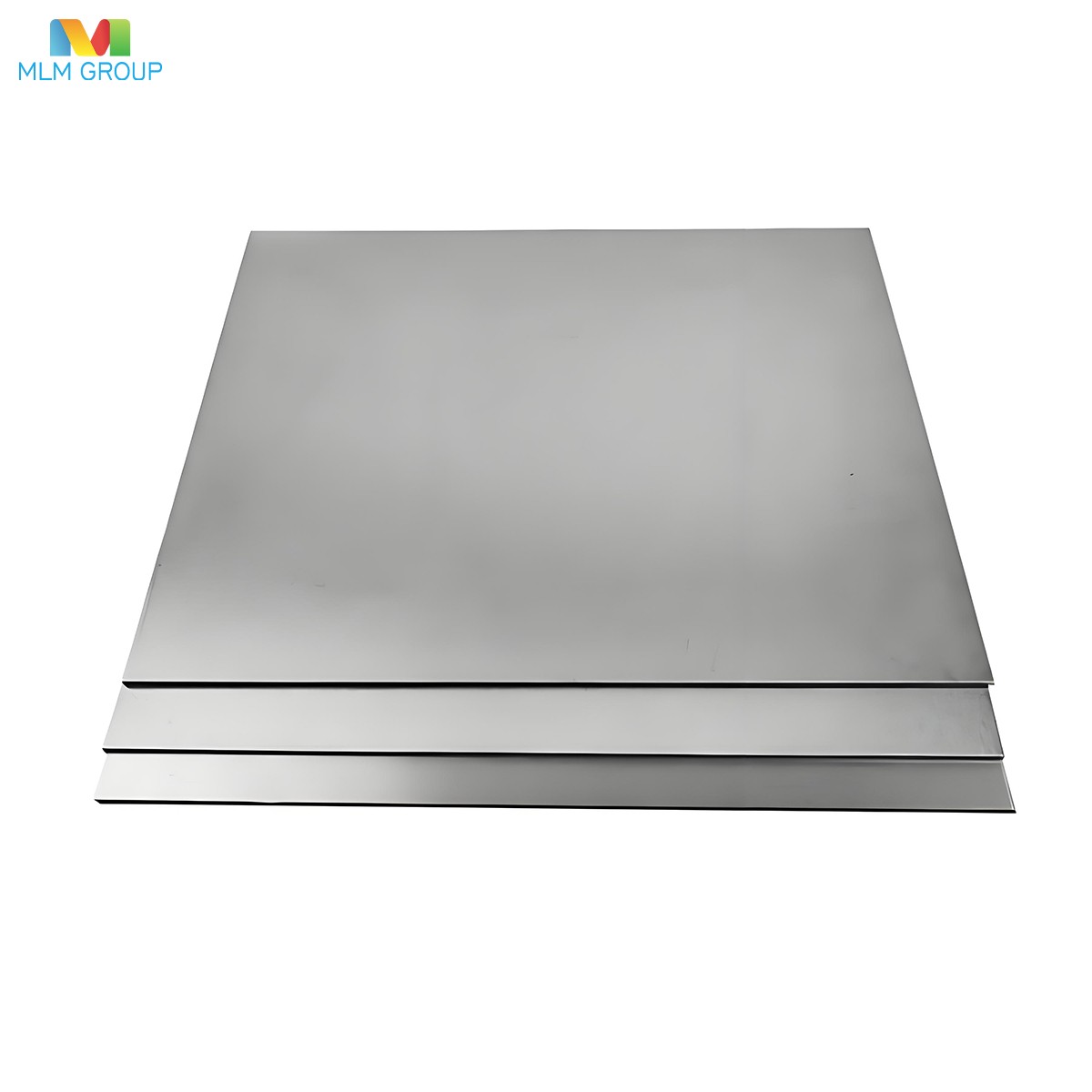
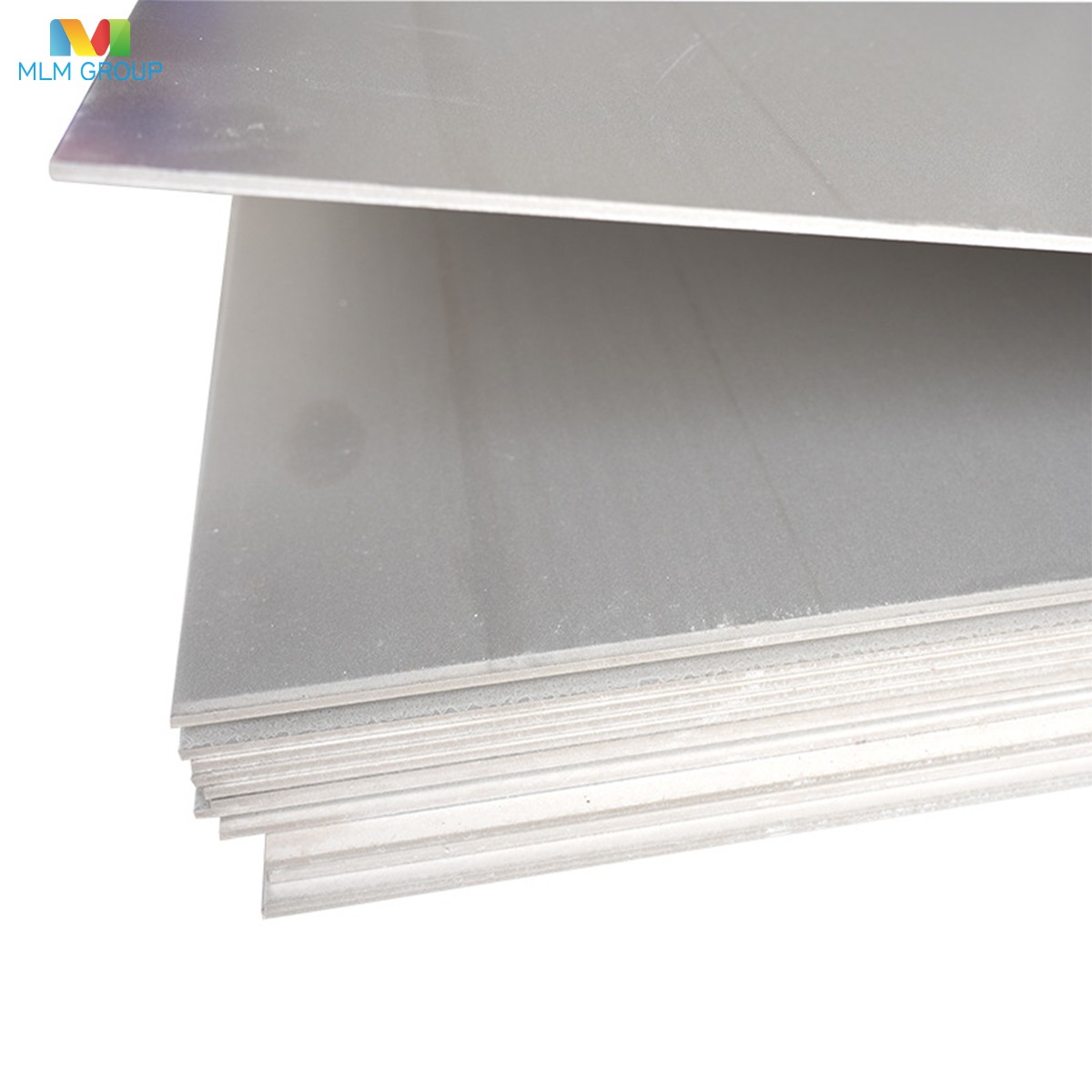
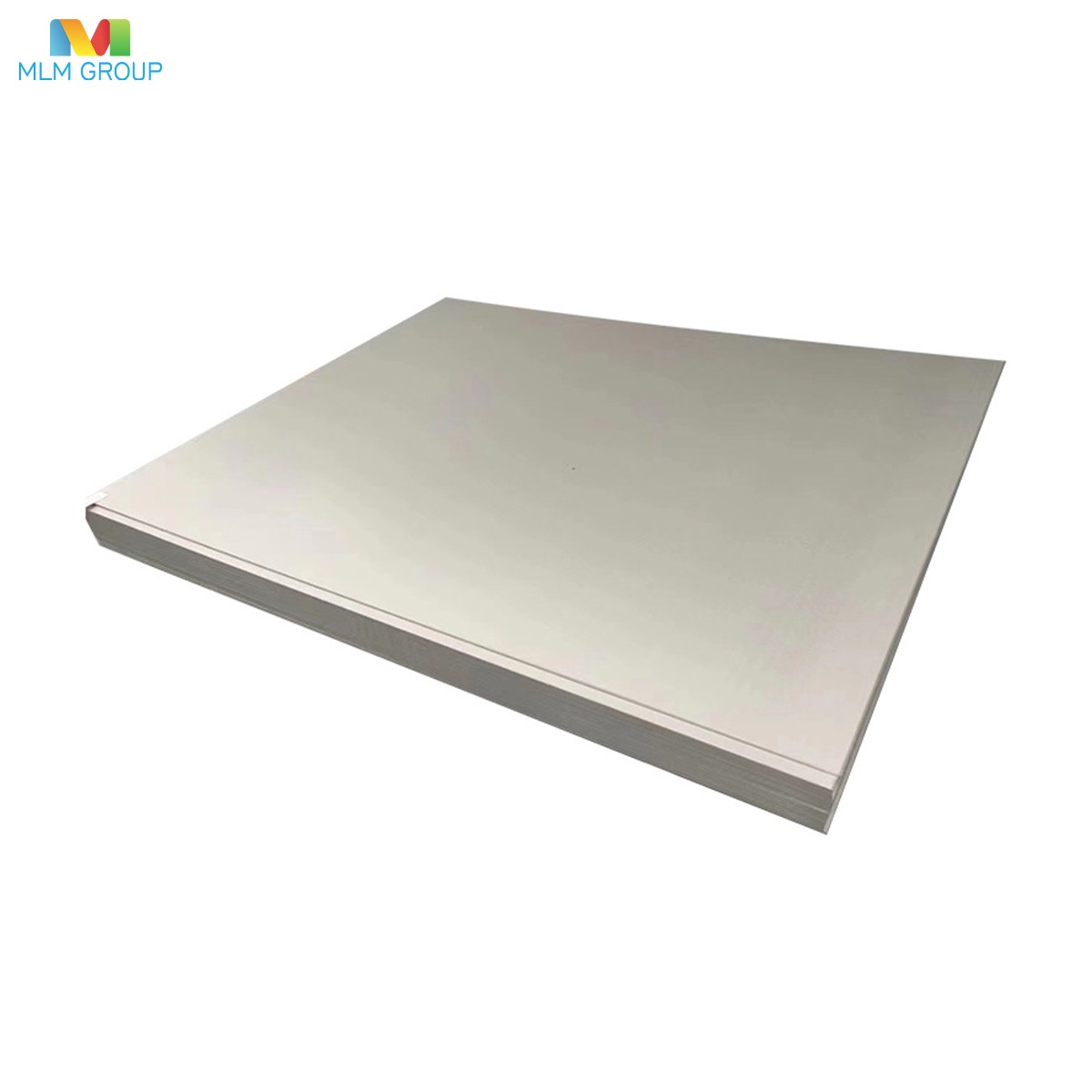
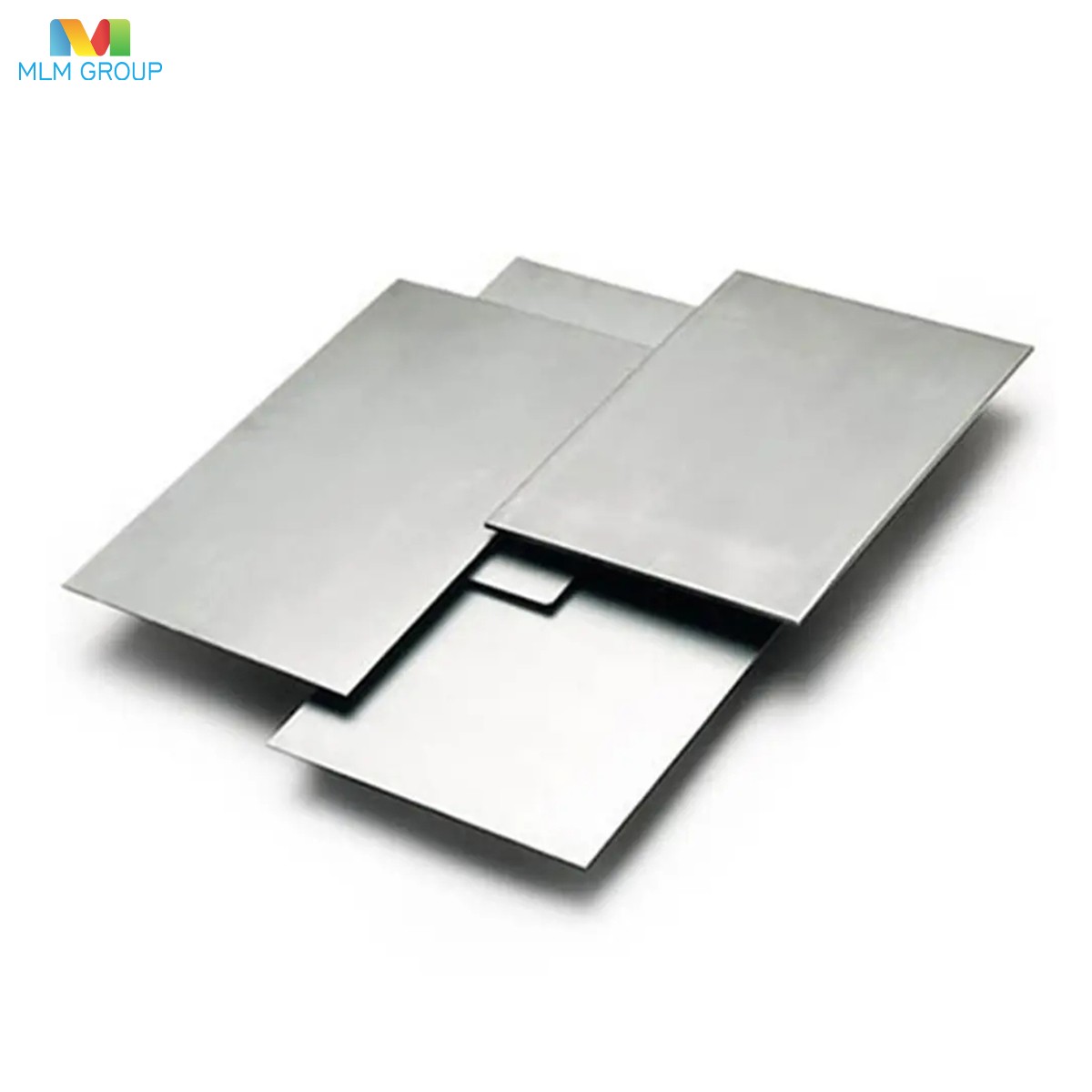
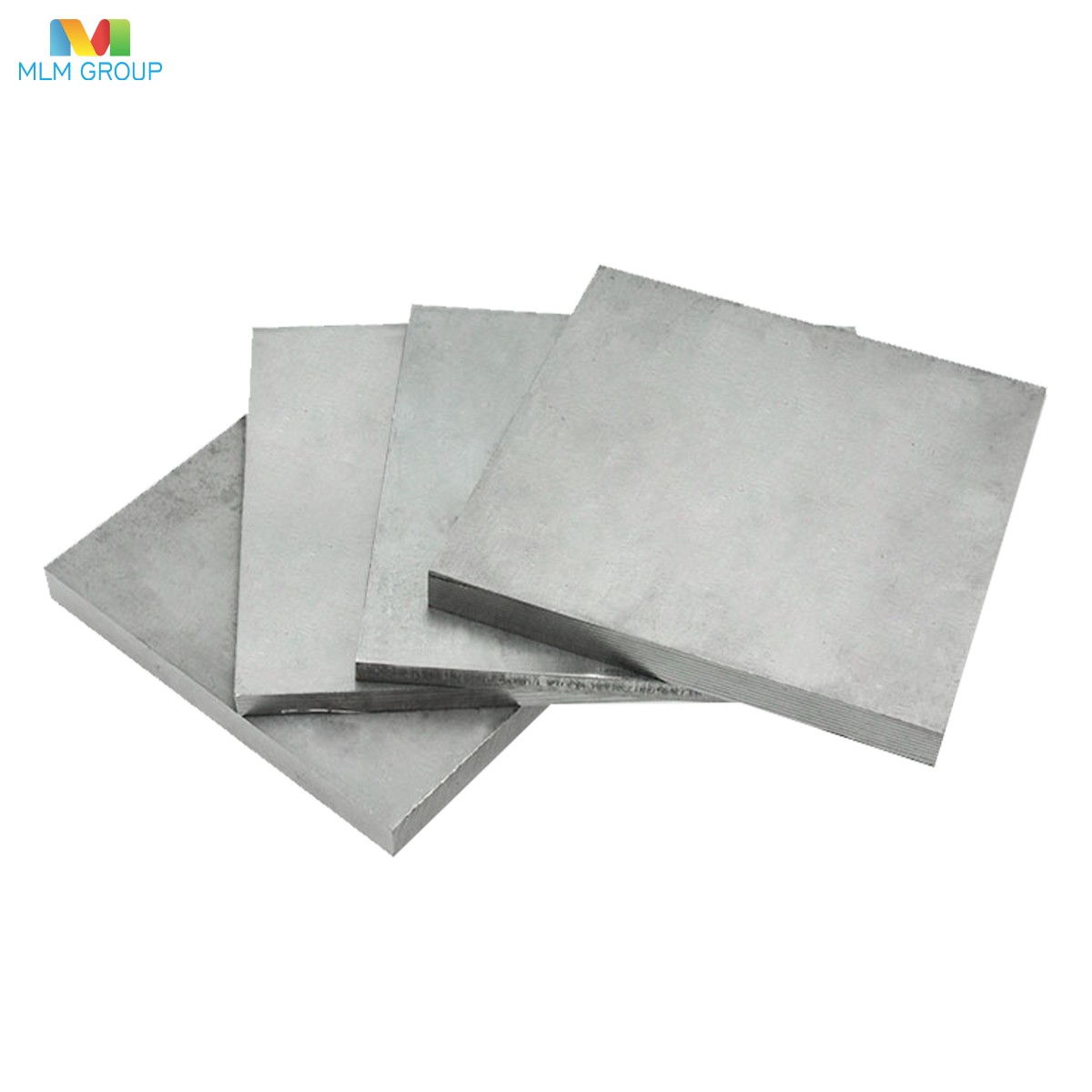
Titanium alloy plate
|
|


Titanium plates, as a high-performance metallic material, occupy an important position in modern industry due to their unique physical and chemical properties. Primarily composed of titanium, their performance is optimized by adding alloying elements such as aluminum and vanadium, leading to their widespread application in aerospace, medical, and chemical industries. This article will detail the characteristics, applications, and common models of titanium plates to help readers gain a comprehensive understanding of this advanced material.
I. Characteristics of Titanium Plates
The core characteristic of titanium plates lies in their exceptional lightweight and high-strength properties. Titanium has a density of approximately 4.51 g/cm³, significantly lower than steel and nickel-based alloys, yet its strength approaches or even exceeds that of high-strength steel, making titanium plates an ideal choice for reducing structural weight. Furthermore, titanium plates exhibit excellent corrosion resistance, resisting seawater, chloride solutions, and various chemical media, making them suitable for use in harsh environments. Their biocompatibility is also outstanding, performing well in the medical field, without triggering rejection reactions in the human body, and being non-toxic and harmless.
The mechanical properties of titanium plates are equally impressive. They possess good toughness and fatigue resistance, maintaining stable performance under both high and low temperature conditions, allowing titanium plates to function reliably even under extreme conditions. Meanwhile, while titanium plates have low thermal conductivity, with proper design, they can still effectively transfer heat to meet specific application requirements.
II. Application Areas of Titanium Plates
- Aerospace
In the aerospace field, titanium plates are a key material for manufacturing aircraft engine components, fuselage structural parts, and spacecraft components. For example, the Boeing 787 aircraft uses approximately 15% titanium alloy (by weight), while the F-22 fighter jet has a titanium alloy content as high as 39%. The lightweight and high-strength properties of titanium plates significantly improve the fuel efficiency and maneuverability of aircraft, while their high-temperature resistance ensures stable engine operation under extreme temperatures.
- Medical Field
Titanium plates are also widely used in the medical industry, primarily in orthopedic implants, dental implants, and surgical instruments. Their biocompatibility makes titanium plates a preferred material for human implants, such as titanium alloy components used in hip and knee replacement surgeries. Furthermore, titanium plates perform excellently in dental implants, integrating well with human tissue and promoting osseointegration.
- Chemical and Marine Engineering
Titanium plates are primarily used in chemical and marine engineering to manufacture corrosion-resistant equipment and structural components, such as reactors, storage tanks, offshore platforms, and seawater desalination equipment. In the Norwegian North Sea oil fields, titanium alloy pipelines are widely used to transport corrosive media; their seawater corrosion resistance significantly extends the service life of the equipment.
- Automotive and Sporting Goods
Applications of titanium plates in the automotive industry include high-performance exhaust systems and racing car suspension parts, reducing weight and improving durability. In the sporting goods sector, titanium plates are used to manufacture golf clubs, bicycle frames, and mountaineering equipment; their lightweight and high-strength properties provide athletes with a better performance experience.
III. Common Types of Titanium Plates
Titanium plates come in various types. Based on alloy elements and performance characteristics, they can be divided into the following categories:
- Industrial Pure Titanium (Grade 1 to Grade 4)
Characteristics: Good processability and corrosion resistance, moderate strength, suitable for applications requiring good corrosion resistance and high strength.
Applications: Chemical equipment, marine engineering, etc.
Example: Grade 1 titanium plate is the most basic pure titanium, commonly used in the manufacture of structural components requiring high corrosion resistance.
- Alpha-type titanium alloys
Characteristics: Primarily composed of titanium and a small amount of aluminum, with a hexagonal close-packed (HCP) crystal structure, exhibiting good high-temperature resistance and excellent weldability.
Applications: Aerospace components in high-temperature environments.
Example: Ti-5Al-2.5Sn titanium plate, suitable for low-temperature environments, with good weldability.
- Near-alpha titanium alloys
Characteristics: Based on alpha-type alloys, with the addition of appropriate amounts of β-stabilizing elements (such as vanadium and molybdenum), possessing good strength, plasticity, and high-temperature resistance.
Applications: High-temperature structural components.
Example: Ti-6Al-2Sn-4Zr-6Mo titanium plate, with excellent high-temperature resistance.
- Alpha-β titanium alloys
Characteristics: Combining the advantages of both alpha and β phases, possessing excellent comprehensive properties, such as high strength, good toughness, and heat treatability.
Applications: Aerospace, marine engineering, etc.
Example: Ti-6Al-4V (TC4) titanium plate is the most widely used titanium alloy, considered an “industry benchmark,” and commonly used in aircraft engine components and fuselage structures.
- β-type Titanium Alloy
Characteristics: Primarily composed of the β phase (body-centered cubic structure), with the addition of elements such as molybdenum and vanadium to stabilize the β phase, it possesses high strength, strong cold workability, and excellent heat treatment response.
Applications: Manufacturing of complex-shaped parts.
Example: Ti-15V-3Cr-3Al-3Sn (Ti-15-3) titanium plate is suitable for manufacturing thin plates, tubes, and wires.
IV. Conclusion
As a lightweight and high-strength future material, titanium plate demonstrates great potential in aerospace, medical, chemical, and automotive fields due to its excellent corrosion resistance, biocompatibility, and mechanical properties. By rationally selecting different types of titanium plates, such as industrial pure titanium, α-type titanium alloys, or α-β-type titanium alloys, diverse application requirements can be met. With the advancement of technology, the application scope of titanium plates will be further expanded, bringing more innovative solutions to modern industry.