

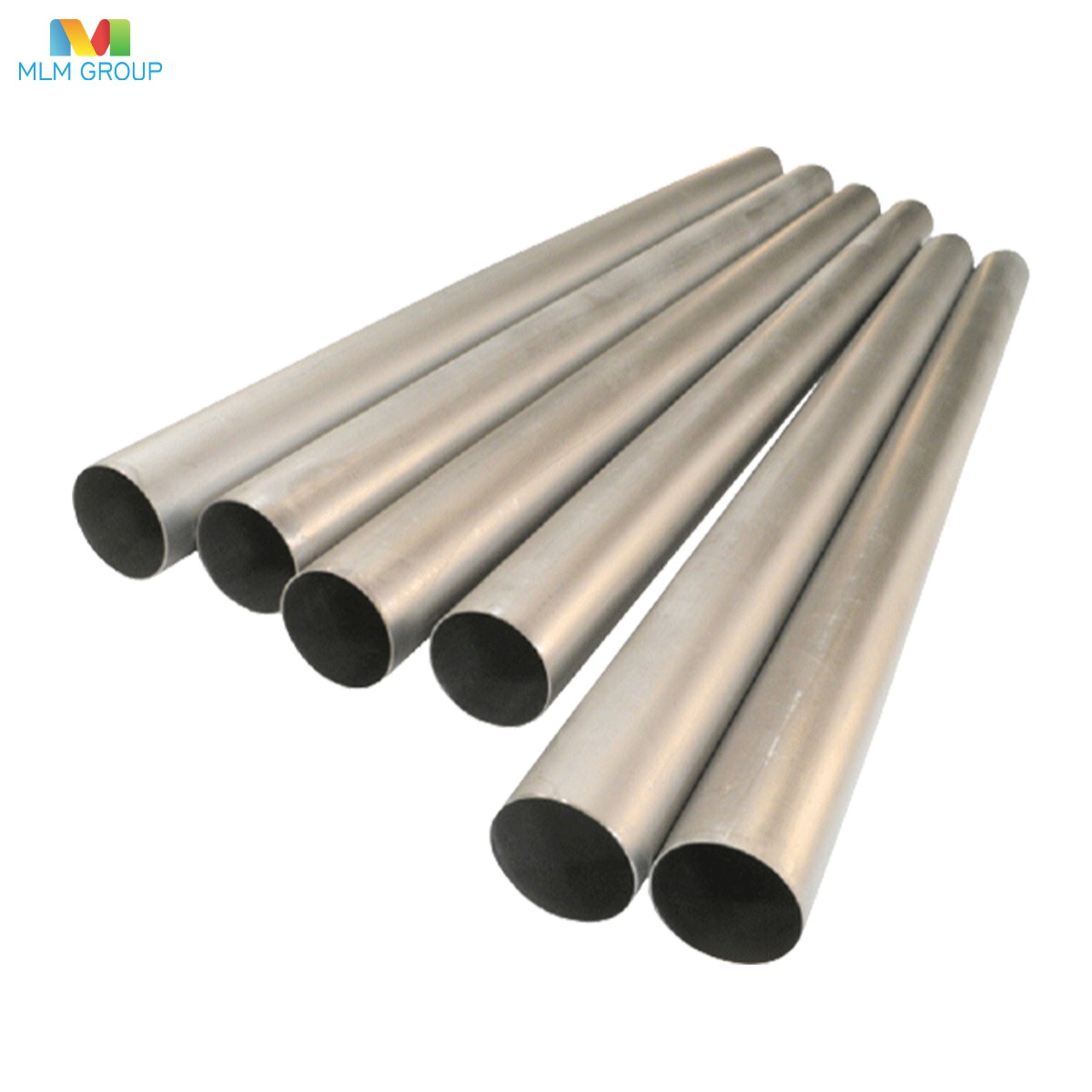
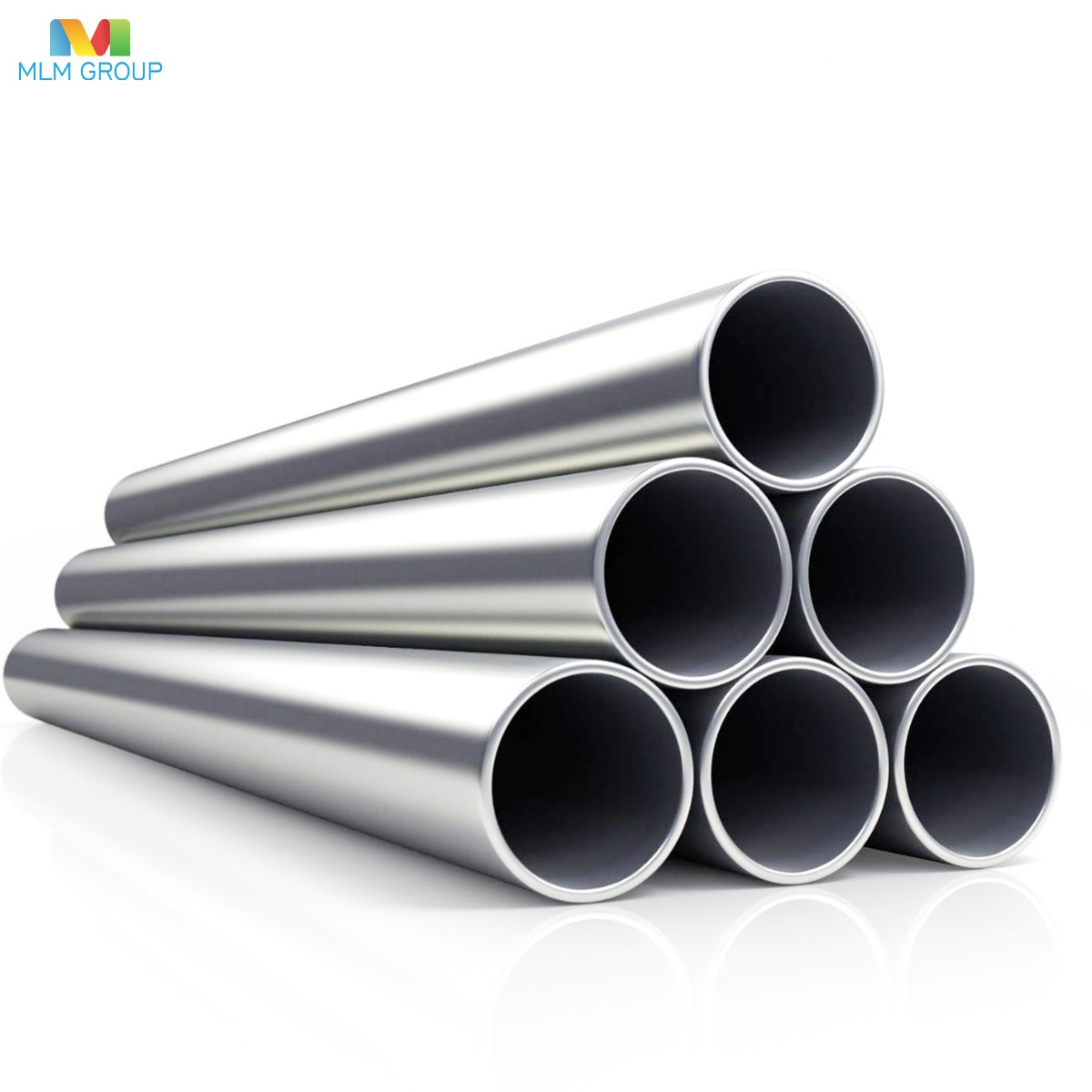
Titanium pipes for automotive exhaust systems
|
|


The application of titanium pipes in automotive exhaust systems represents a perfect combination of lightweight design and high performance. Here are the key points:
I. Core Advantages: A Dual Combination of Performance and Aesthetics
Weight Reduction: Titanium alloy has only 60% the density of steel, resulting in a weight reduction of up to 18 pounds (approximately 8.2 kg) for the entire vehicle after modification, significantly improving acceleration performance.
High Temperature Resistance: With a continuous operating temperature of up to 800℃, it boasts 30% higher heat resistance than stainless steel, making it suitable for high-performance engines.
Enhanced Exhaust Sound: Titanium pipes produce a deeper, more resonant exhaust note, as seen in the BMW M3 F80’s titanium alloy valve catback exhaust pipe.
II. Technological Breakthrough: Innovation from Materials to Processes
Material Innovation: Aerospace-grade Ti-6Al-4V Titanium Alloy: Through precision casting, the overall exhaust system weight is reduced by 35.2%, and the pipe wall thickness is reduced from the original 1.2mm to 0.8mm.
3D Printing Technology: The Bugatti Chiron’s 3D-printed titanium alloy exhaust pipe can withstand temperatures up to 650℃.
Technological Innovation:
Laser Welding: Weld strength reaches 92% of the base material; modular quick-release structure design reduces installation time to 2.5 hours.
Improved Surface Oxide Layer Density: High-temperature oxidation resistance is enhanced by 30%, exhaust gas velocity is increased by 15%, and turbine lag is reduced by 0.2 seconds.