

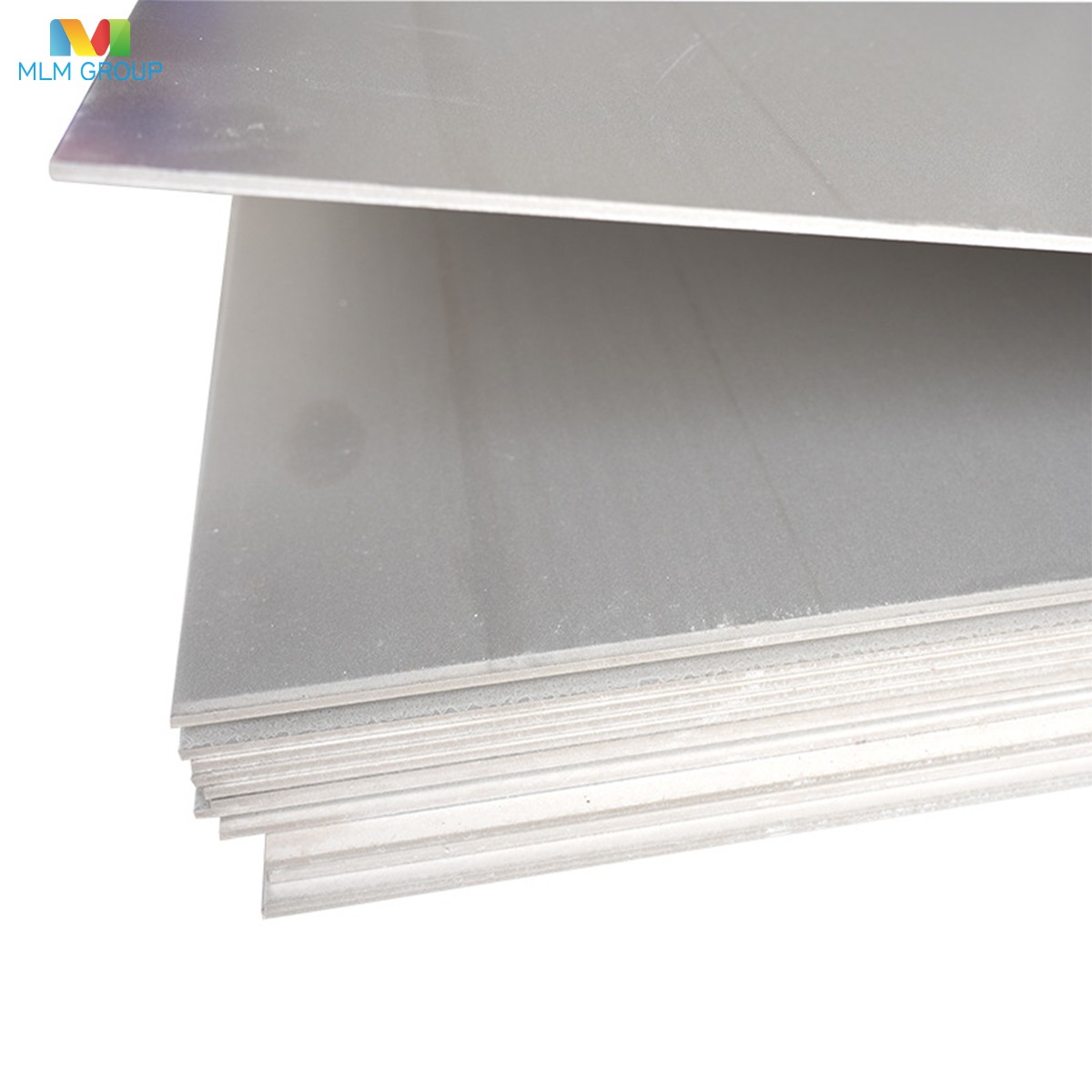
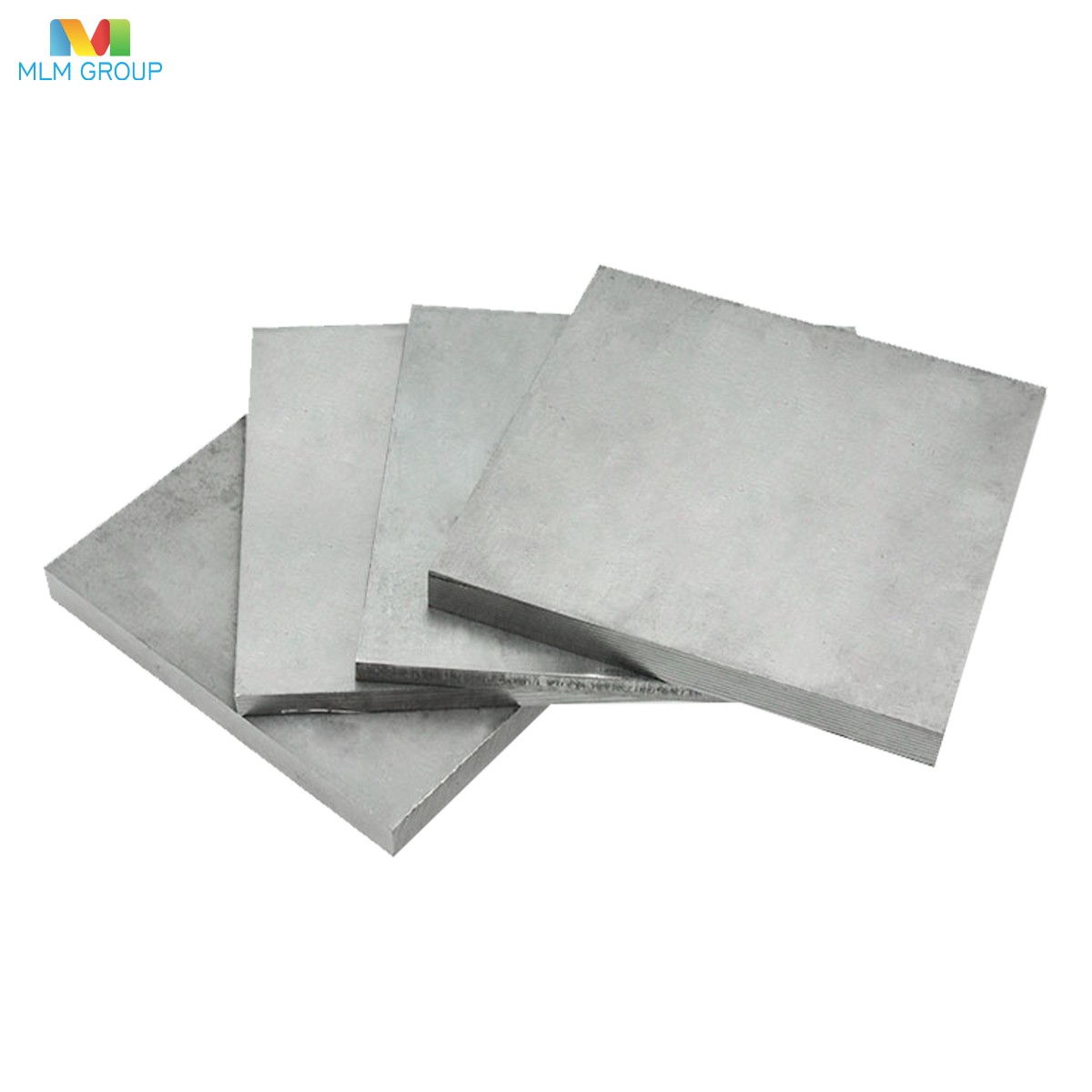
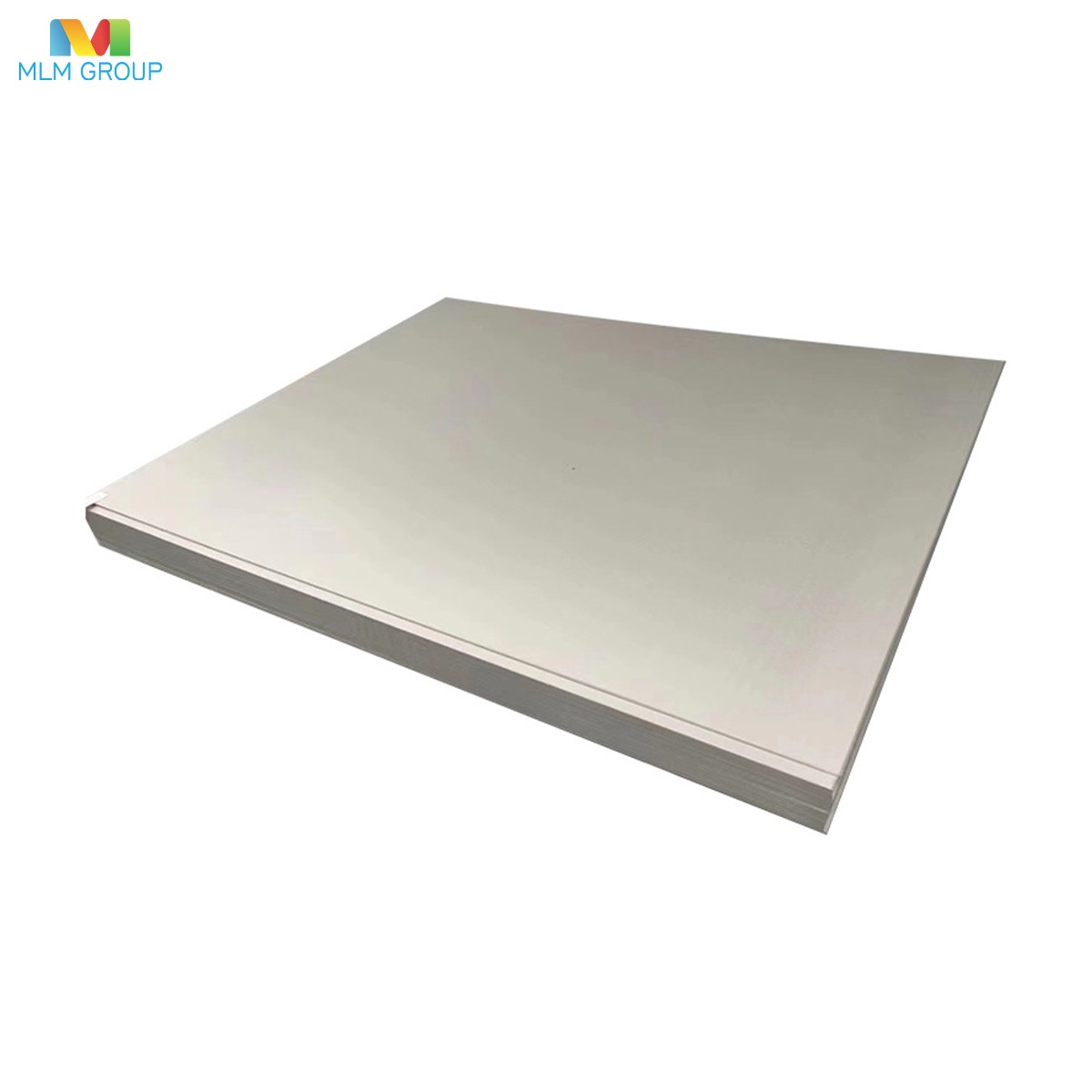
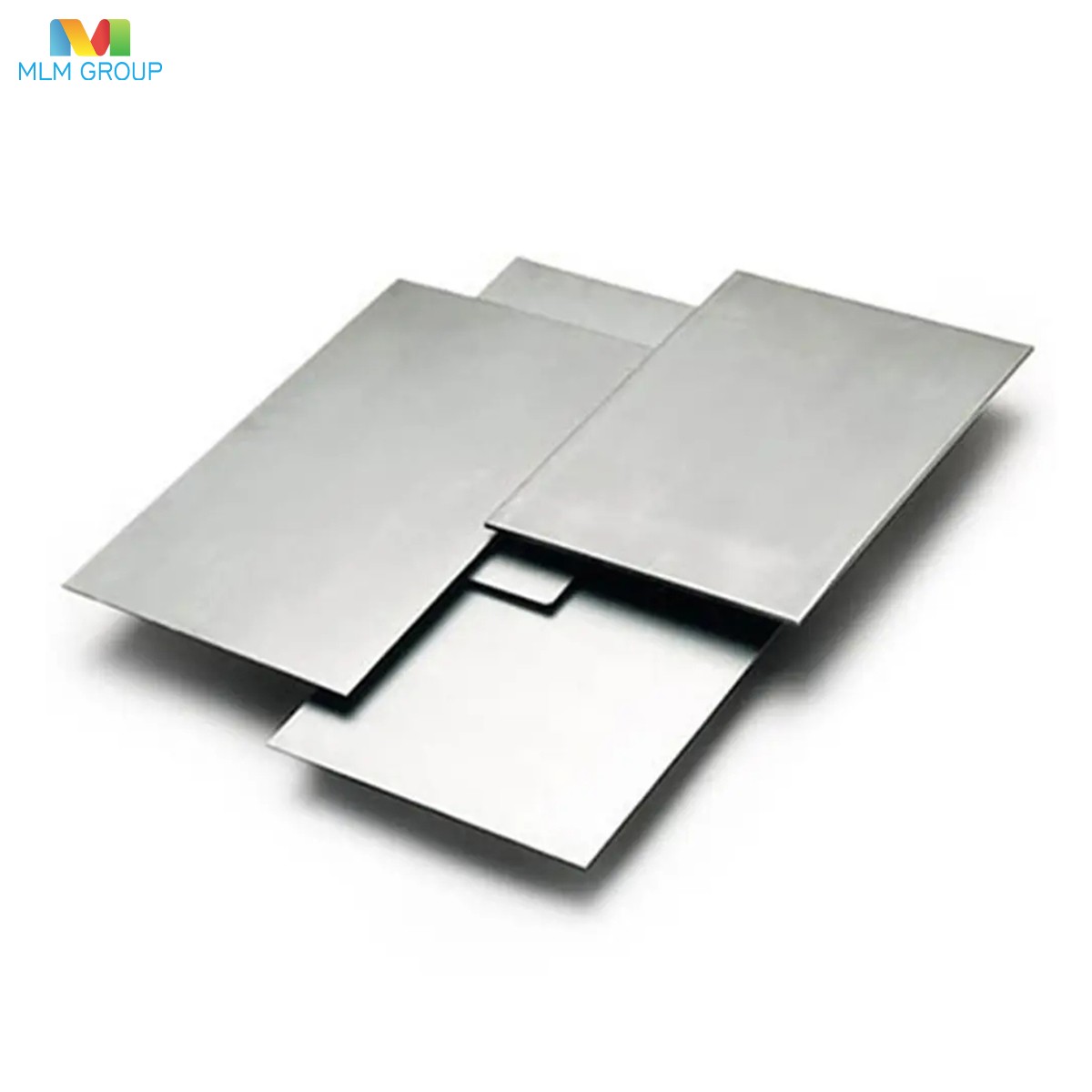
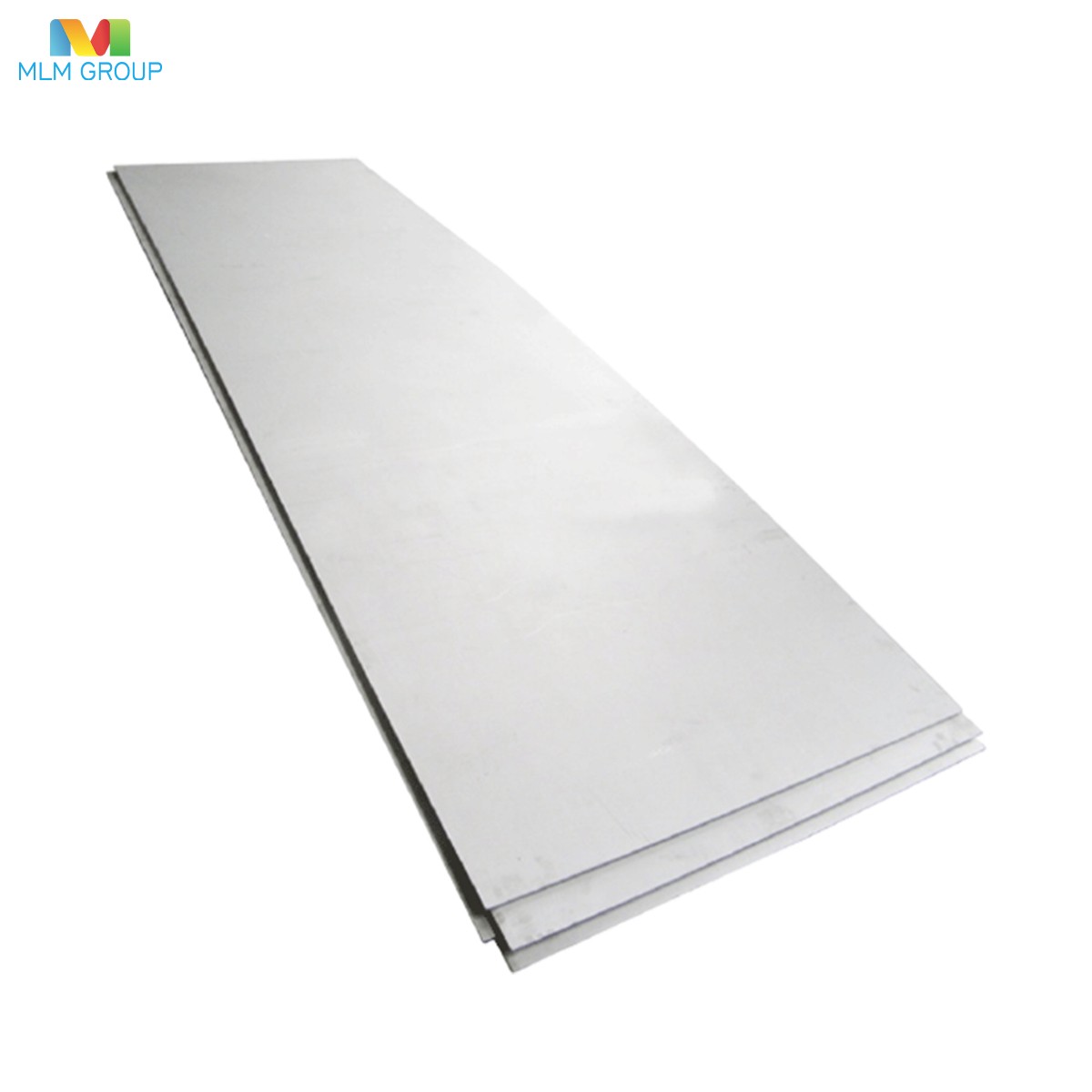
Titanium plates for sports equipment
|
|


The application of titanium plates in sports equipment is indeed a technical skill. Let me summarize the key information for you:
I. Core Characteristics
- High Strength and Lightweight
Titanium’s strength is close to that of steel, but its density is only 4.5 g/cm³ (about half that of steel and 1.7 times that of aluminum).
Advantages: Maintaining sufficient load-bearing capacity while reducing weight, suitable for applications requiring “lightweight yet strong” (such as airplanes, spacecraft, and sports equipment).
- Extremely Strong Corrosion Resistance
Titanium forms a dense oxide film (titanium dioxide) in the air. This film prevents further reactions within the metal, making it resistant to corrosion even in seawater, strong acids (such as sulfuric acid), and strong alkalis.
Advantages: Suitable for sports equipment exposed to outdoor or humid environments for extended periods (such as golf clubs and bicycle frames).
- Good Biocompatibility
Titanium does not react with human tissue or blood, nor is it rejected by the body. It can even integrate tightly with bones (a process known as “osseointegration”). Advantages: Although sports equipment does not directly contact human tissue, this characteristic indicates that titanium has extremely high chemical stability, making it suitable for manufacturing parts that frequently come into contact with the human body (such as wheelchairs and eyeglass frames). - High and Low Temperature Resistance: Titanium maintains stable performance within a temperature range of -253℃ (close to liquid nitrogen temperature) to 500℃—it does not become brittle at low temperatures and its strength does not decrease significantly at high temperatures.
Advantages: Suitable for sports equipment used in extreme environments (such as skis and mountaineering equipment).
II. Application Scenarios
- Golf Clubs
Characteristics: The lightweight and high-strength properties of titanium alloys make them an ideal material for manufacturing golf clubs.
Advantages: Titanium golf clubs are hailed as “miracle weapons” due to their unique performance, successfully penetrating high-end markets such as the United States, Japan, and Europe.
- Bicycle Frames
Characteristics: The lightweight and high-strength properties of titanium alloys make them an ideal material for manufacturing bicycle frames.
Advantages: Titanium bicycle frames maintain sufficient load-bearing capacity while reducing weight, making them suitable for the high-end bicycle market.
3.Tennis Rackets
Characteristics: The lightweight and high-strength properties of titanium alloy make it an ideal material for manufacturing tennis rackets.
Advantages: Titanium tennis rackets maintain sufficient load-bearing capacity while reducing weight, making them suitable for the high-end tennis racket market.
4.Wheelchairs and Eyeglass Frames
Characteristics: The lightweight and high-strength properties of titanium alloy make it an ideal material for manufacturing wheelchairs and eyeglass frames.
Advantages: Titanium wheelchairs and eyeglass frames maintain sufficient load-bearing capacity while reducing weight, making them suitable for long-term use.