

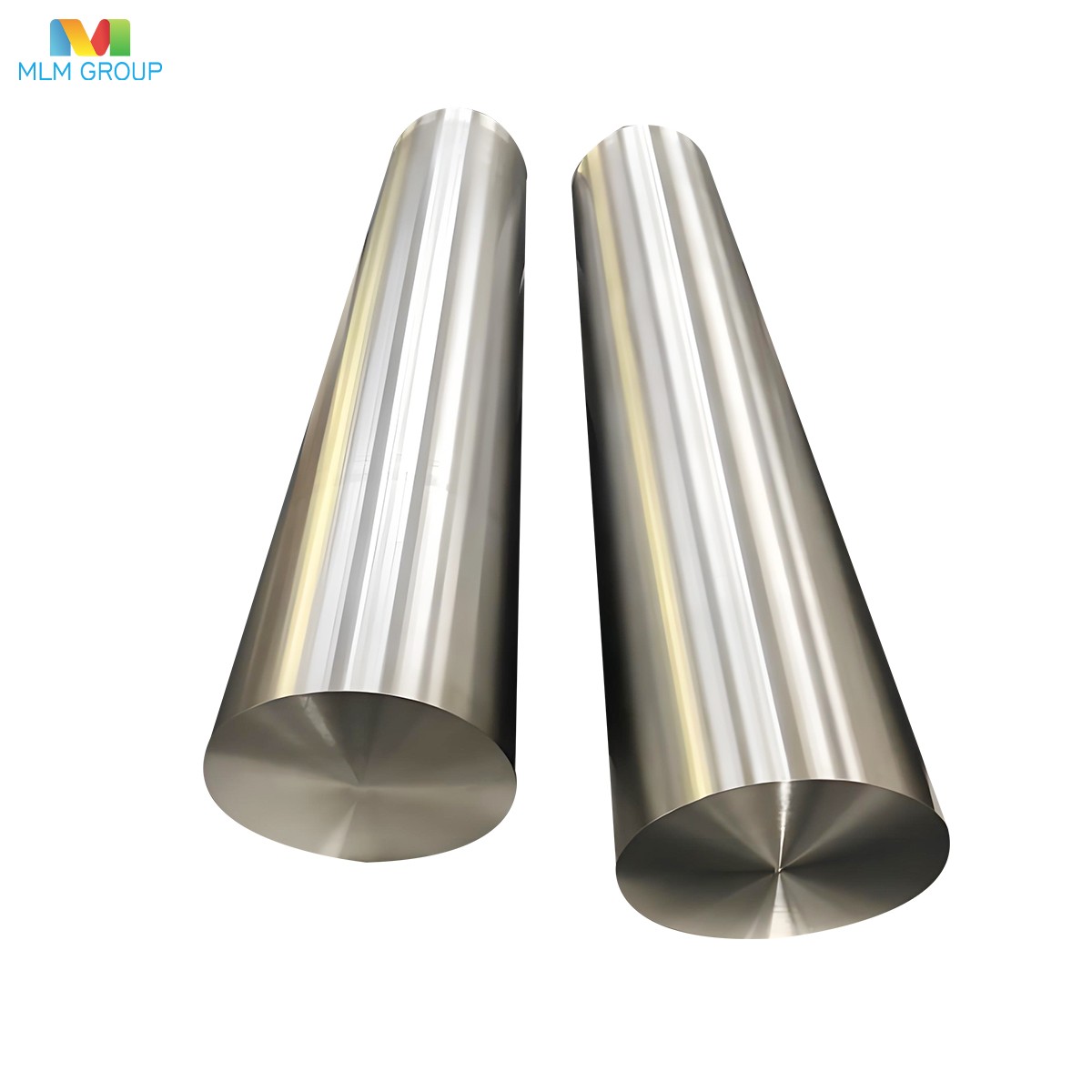
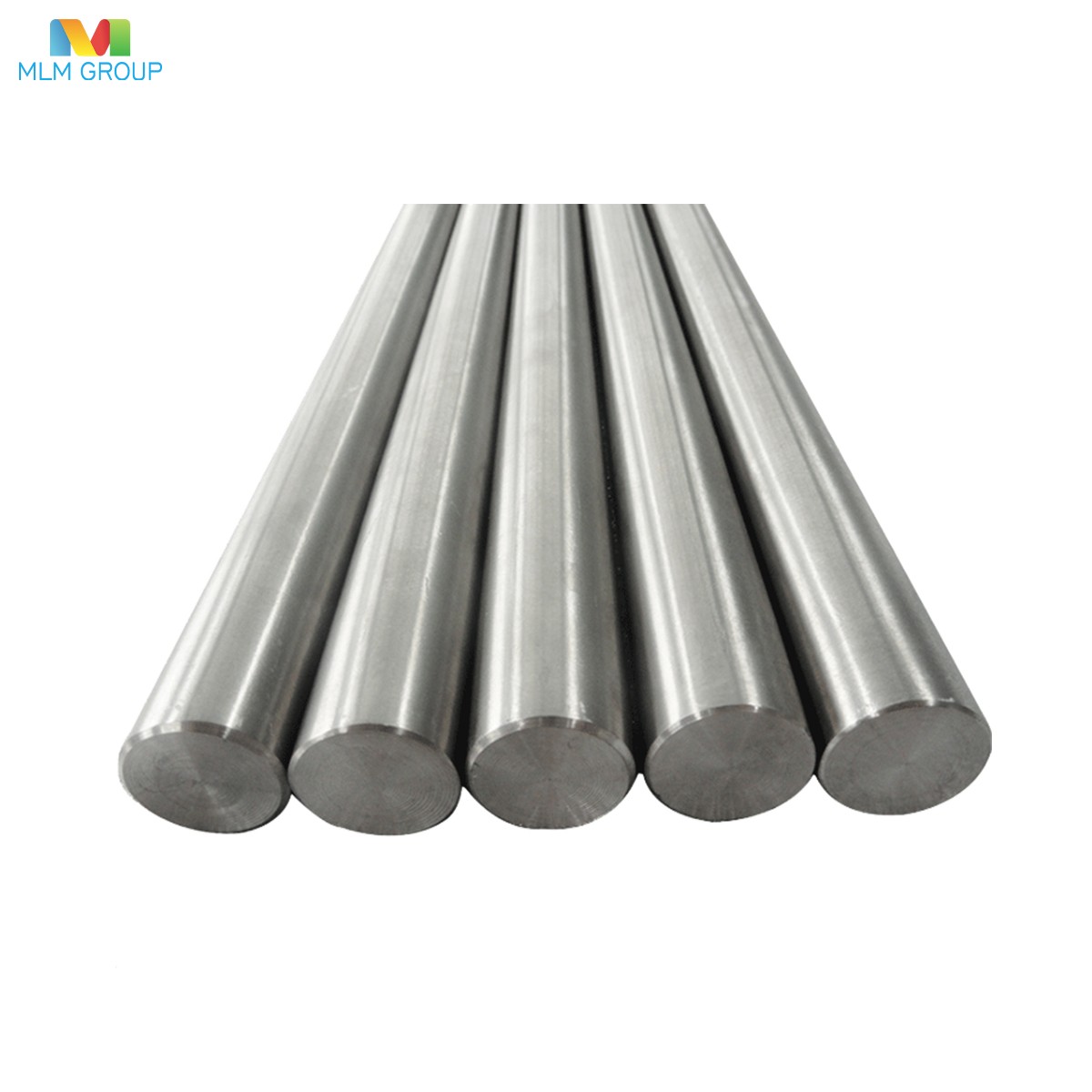
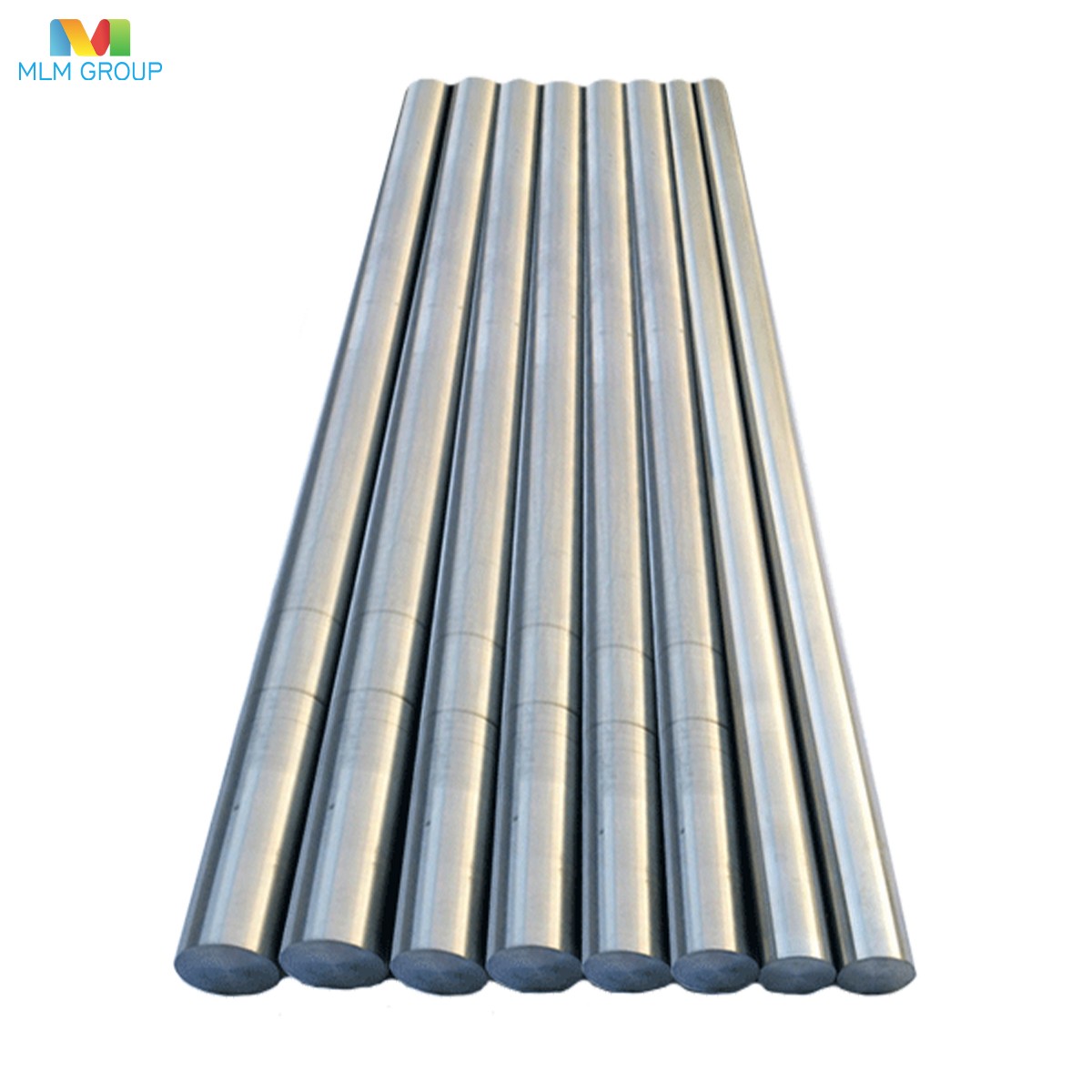
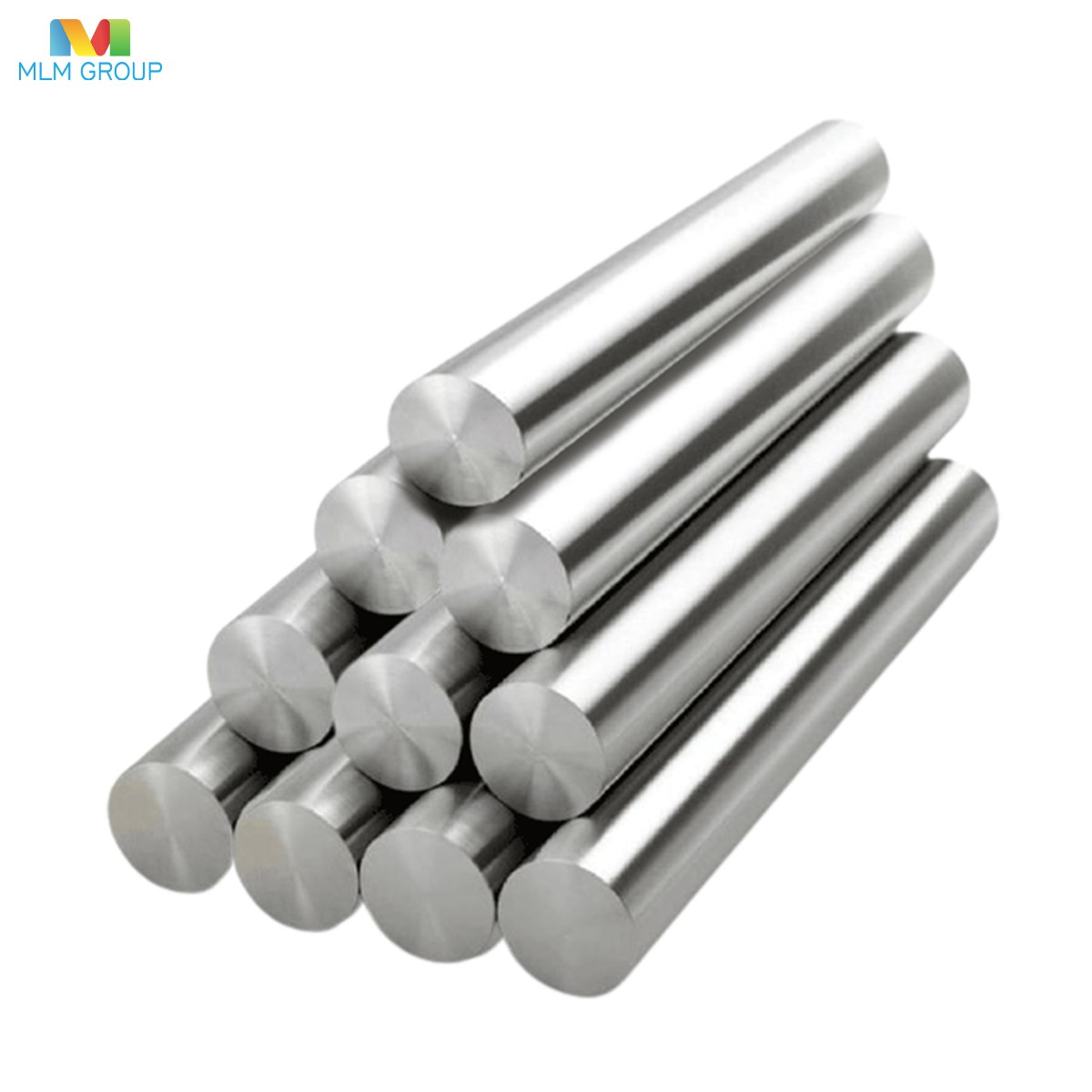
Titanium rods for automotive and mechanical engineering
|
|


Titanium rods are the “golden combination” of lightweighting and high performance in the automotive and mechanical engineering fields. Here are the key points:
I. Core Advantages: Perfect Balance of Lightweighting and Performance
Low Density: Titanium alloy has a density of only 4.5 g/cm³, 40% lighter than steel, yet its strength can reach over 900 MPa, far exceeding aluminum alloys.
High Temperature Resistance: Remains stable at 500℃, suitable for high-temperature environments such as engines and exhaust systems.
Corrosion Resistance: No anti-corrosion coating is needed in fluoride-containing media, reducing the total life cycle cost by 30%.
II. Typical Applications: Comprehensive Penetration from Engine to Chassis
Engine Components:
Valve: Titanium valves reduce weight by 30%-40%, increase engine maximum speed by 20%, and are resistant to 600℃ high temperatures and exhaust gas corrosion.
Connecting Rods: Titanium alloy connecting rods reduce engine weight and improve performance; for example, the titanium connecting rods in the Honda NSX increase engine speed by 700 rpm.
Crankshaft: A Japanese-produced Ti-5Al-2Cr-Fe alloy crankshaft, reducing weight by 30% and increasing engine speed by 700 rpm.
Chassis Components:
Springs: Beta-type titanium alloys (such as Ti-15V-3Cr) can be cold-worked and are suitable for chassis springs. For example, the titanium alloy springs in the Porsche 911 GT3 reduce unsprung mass by 40%, significantly improving handling.
Suspension: Honda uses titanium suspension springs in its LupoFSI models, reducing weight by 9-13.6 kg per vehicle.
Exhaust System:
Titanium Exhaust Pipes: 41% lighter than stainless steel systems, reducing fuel consumption by 6%-8%. The fuel cost savings over the entire lifespan can cover the material premium.
Fuji Heavy Industries is producing a limited run of 440 sets of titanium alloy exhaust pipes.
III. Technological Breakthroughs: Innovation from Materials to Processes
Alloy Innovation:
TC4 Titanium Alloy (Ti-6Al-4V): With a density only 60% of steel and a tensile strength exceeding 900 MPa, it is the mainstay for high-speed moving parts such as engine valves and connecting rods.
TA10 Titanium Alloy (Ti-0.3Mo-0.8Ni): With tensile strength higher than pure titanium TA2 but lower than TC4, it is suitable for automotive and motorcycle parts.
TC21 Titanium Alloy: Excellent corrosion resistance and high-temperature performance, used to manufacture key components such as engine cylinder heads and pistons.
Process Innovation:
3D Printing: The Ti-O-Fe alloy developed by Hong Kong Polytechnic University achieves a breakthrough in both strength and plasticity through 3D printing, increasing tensile strength by 12% compared to TC4.
Recycled Titanium Utilization: The utilization rate of recycled titanium is expected to reach 30% by 2026. Recycling residual titanium reduces ingot costs by 0.8%, forming a closed-loop economy of “mining-manufacturing-recycling”. IV. Market Trends: Large-Scale Penetration from High-End to Mid-Range
High-End Market: Titanium alloys solidify their position through performance advantages; for example, titanium alloys have become almost standard equipment in the racing industry.
Mid-Range Market: The combination of low-cost β-titanium alloys (such as Ti-3Al-2.5V) and 3D printing technology has driven the price of titanium components down to 3-5 times that of steel, achieving large-scale penetration.