

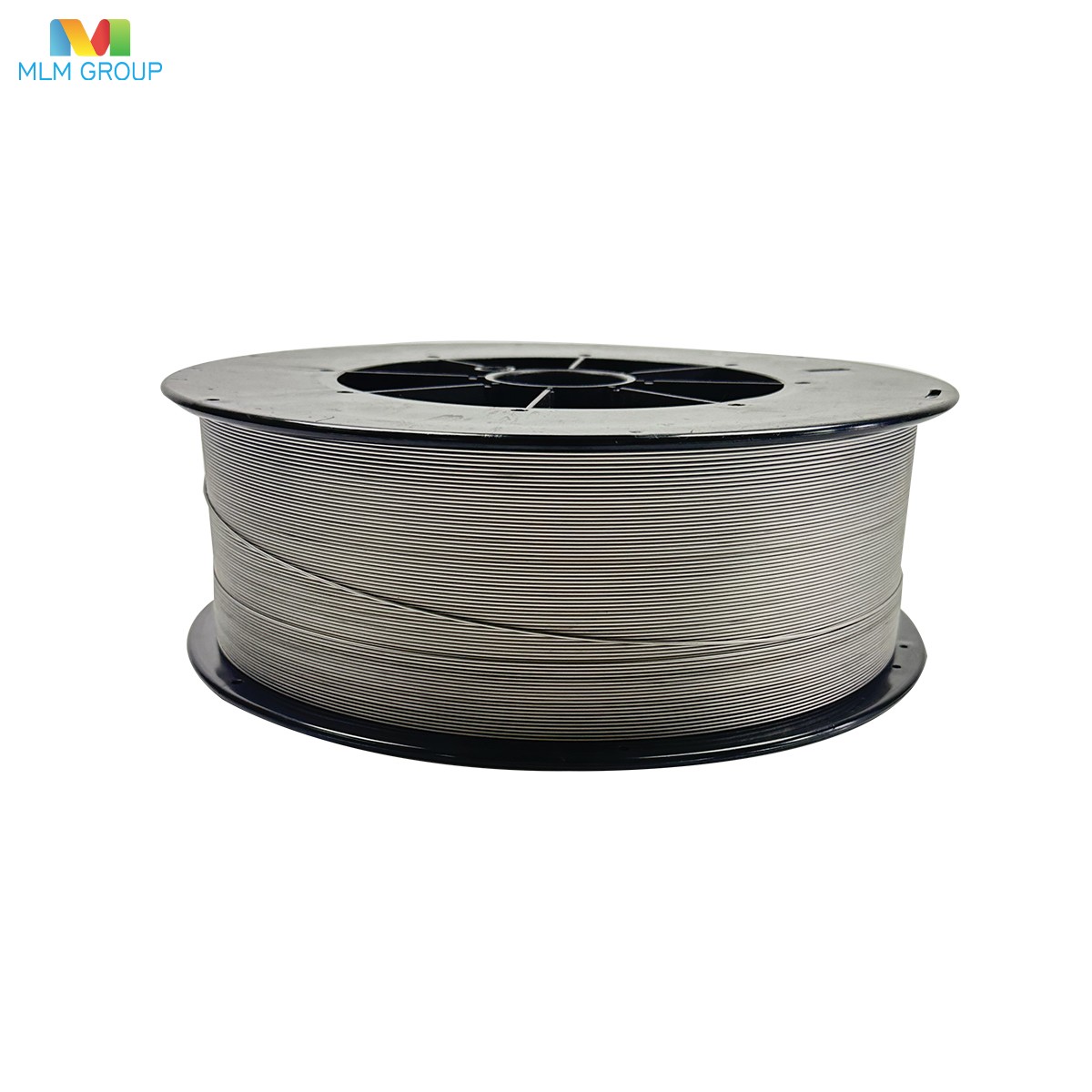
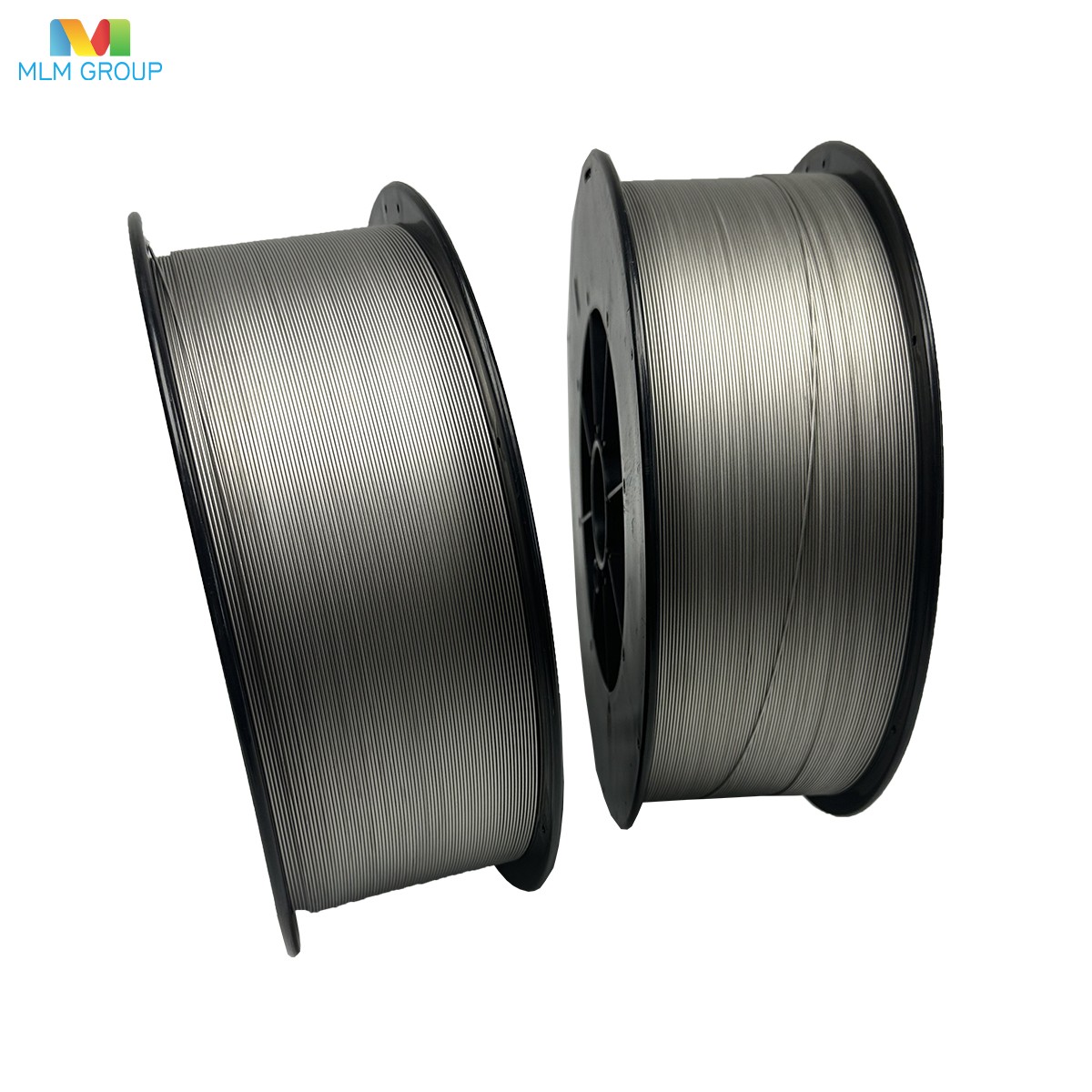
Titanium wire for mechanical engineering
Titanium wire for mechanical engineering is the "golden combination" of lightweight and high strength, widely used in the automotive, aerospace, and o...
|
|


Titanium wire for mechanical engineering is the “golden combination” of lightweight and high strength, widely used in the automotive, aerospace, and other fields. Here are the key details:
I. Core Characteristics
- High Strength and Lightweight: With a density of only 4.5 g/cm³, it is 40% lighter than steel, yet boasts a strength of up to 1100 MPa, making it suitable for applications such as aero-engines and rocket fuel delivery.
- Corrosion Resistance: No anti-corrosion coating is required in fluoride-containing media, reducing total lifespan costs by 30%.
- High Temperature Resistance: With a melting point as high as 1668℃, far exceeding stainless steel and aluminum alloys, it is suitable for high-temperature environments.
II. Typical Applications
- Aerospace: Used to manufacture aero-engine components, spacecraft structural parts, etc.
- Automotive Manufacturing: Used to accelerate new vehicle development and manufacture lightweight structures.
- Energy Sector: Used to produce key components for high-efficiency energy equipment.
III. Technological Breakthroughs
- Flawless Printing Technology: Eliminates microscopic voids through post-processing technology, increasing fatigue life by 106%. DC-DIW technology: Enables “on-demand customization” and balances shape complexity with porosity distribution.